
How Do I Find Authentic Local Food While Traveling? 12 Tips That Actually Work
The best meal I had in Mexico City didn’t come from a restaurant with a line out the door or a glowing write-up in a guidebook. It came from a woman in a blue apron on a side street near the Mercado de la Merced, selling tlacoyos off a griddle for the equivalent of about a dollar each. No English menu. No photos of the food on the wall. Just a long line of locals — and, suddenly, me. If you’re wondering how do I find authentic local food while traveling, that’s your first and best clue: eat where the locals actually eat.
But let’s be honest — “eat where the locals eat” is easier said than done when you’ve just landed in a city where you can’t read the signs. After years of eating my way through dozens of countries, I’ve learned that finding authentic local food while traveling isn’t luck. It’s a skill, and it has a method.
Why Authentic Local Food Is Harder to Find Than It Should Be
Tourist zones create a kind of food bubble. Restaurants near major landmarks often serve watered-down versions of local dishes — blander, pricier, and designed for visitors who’ll never come back. There’s nothing wrong with a convenient meal near your hotel, but if every bite tastes like it was calibrated for someone who’s never had real spices, you’re missing the point of traveling.
The good news: breaking out of the bubble is usually just a matter of walking ten minutes in any direction. The restaurants that cater to tourists cluster around sights and hotels. The places that feed real people cluster around markets, offices, schools, and transit stops. When you find authentic local food while traveling, the prices almost always drop and the flavors almost always sharpen.
How Do I Find Authentic Local Food While Traveling?
1. Follow the lunch crowd, not the reviews
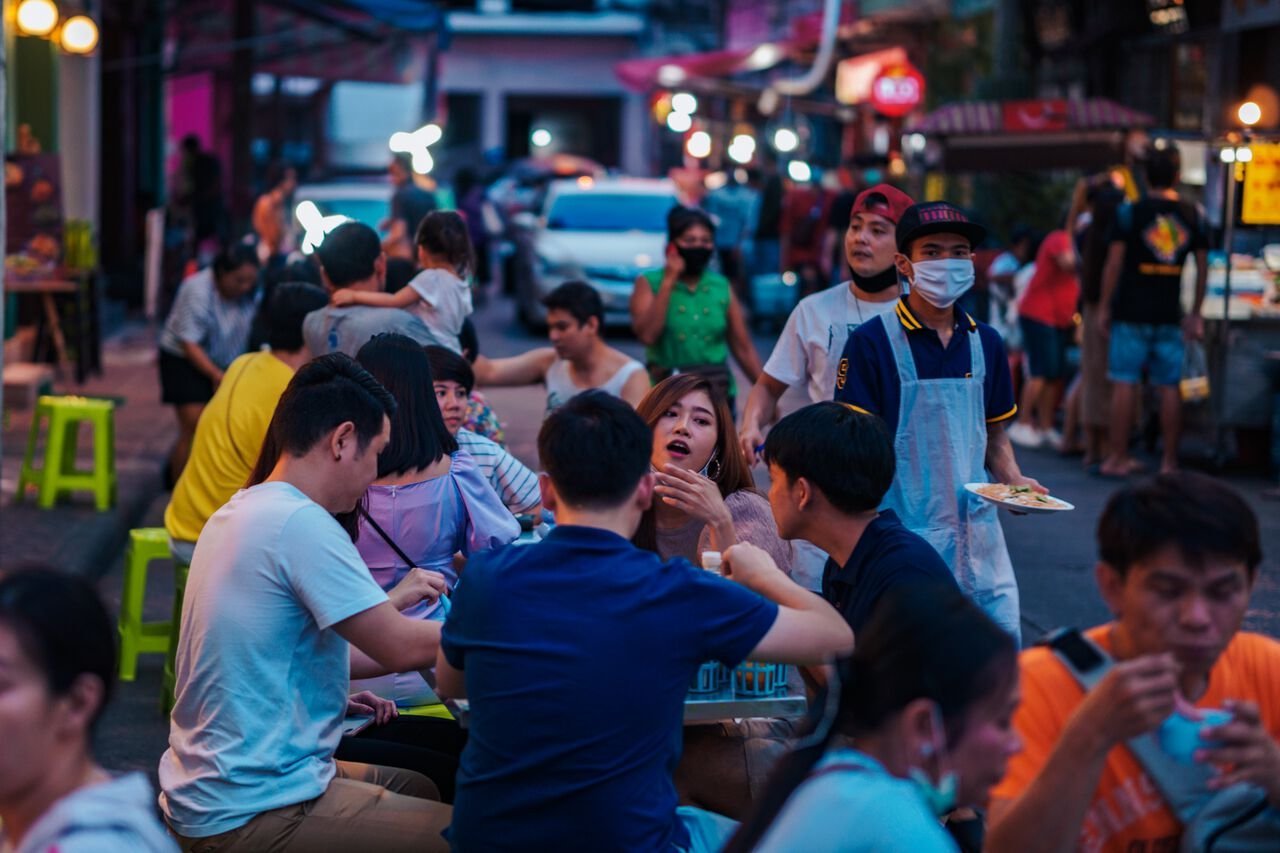
This is the single most reliable trick I know. Around noon or one, watch where office workers, taxi drivers, and shopkeepers are going. If a tiny place has a line of locals spilling onto the sidewalk, the food is almost certainly good, cheap, and authentic. I’ve used this in Bangkok, Lima, Istanbul, and Naples, and it has never once steered me wrong.
2. Learn five food words before you land
You don’t need to be fluent. Just learn how to say “what’s good here?”, “spicy”, “delicious”, and “the bill, please” in the local language. Even fumbling through these will change how servers treat you. And if you pick up a few basic phrases before you visit a foreign country, restaurant staff are far more likely to steer you toward the real menu instead of the tourist one.
3. Ask your hotel staff where they eat
Don’t ask the concierge for “a good restaurant.” Ask them where they ate last night. There’s a big difference. Hotel employees eat on local salaries, so their answers point you to affordable, genuine spots. I’ve gotten some of my best food tips from night-shift receptionists and housekeeping staff.
4. Hit the markets early
Food markets are where a city’s real cooking lives. Many markets have stalls or tiny counters serving the vendors’ own lunches — breakfast soups, grilled meats, dumplings — at prices meant for market workers. Go before 10 a.m. and eat what the stallholders are eating. It’s the fastest education in local flavor you’ll ever get.
5. Look for the menu with no English on it
A menu printed only in the local language is a good sign. It means the restaurant doesn’t depend on tourists. Use your phone’s camera translation to decode it. You might order something mysterious, but mysterious orders make the best stories — and often the best meals.
Reading a Restaurant Like a Local
Once you know where to look, the next skill is evaluating a place in about thirty seconds. Here’s my checklist:
- Plastic stools beat white tablecloths. Some of the world’s greatest food is served on wobbly plastic chairs.
- Small menu, big confidence. A place that does three dishes does them well. A place that does sixty does none of them well.
- Specialization is king. The taco stand that only sells tacos al pastor. The noodle shop with one broth. Specialists survive on reputation.
- Noise and chaos are fine. Clatter, shouting, crowded tables — these are signs of a place that feeds people every day, not a place that photographs well.
- Midday crowds matter more than dinner crowds. Locals might splurge on dinner for occasions, but weekday lunch is where honest cooking lives.
Street Food: The Fastest Route to Authentic Flavors
If you want to find authentic local food while traveling and you’re short on time, street food is your answer. It has everything going for it: it’s cooked fresh in front of you, it’s priced for locals, and the competition is brutal — a bad street vendor doesn’t last a week. The global tradition of street food is how billions of people actually eat every day, and joining them is one of travel’s great pleasures.
A few street-smart rules: eat at stalls with high turnover (fresh ingredients, constantly cooked), watch how locals order and copy them, and carry small bills. If a stall has a crowd of regulars who clearly come every day, sit down. That line of schoolkids in Mexico City? Best tlacoyos of my life, and I still think about them.
Food Tours Worth Taking (and Ones to Skip)
I’m picky about guided food tours, but the good ones are genuinely worth it. Look for small groups (under ten people), a local guide who grew up eating this food, and an itinerary that includes markets and family-run spots rather than “trendy” restaurants. The best food tours I’ve taken ended with the guide handing me a handwritten list of their personal favorites — that list was worth more than the tour itself.
Skip tours that rush through more than six stops or won’t share the itinerary in advance — and consider a home-cooked meal with a local host, which is as authentic as dining gets.
Common Mistakes Travelers Make
- Trusting the hotel breakfast buffet as “local food.” It’s designed for everyone and excites no one.
- Avoiding places that look “rough.” Some of the safest, most delicious food in the world is served in places with flickering fluorescent lights.
- Over-relying on review apps. They’re useful for avoiding disasters, but the top-rated spots often reflect tourist tastes, not local ones. Cross-reference with local food blogs written in the local language (Google Translate is your friend).
- Ordering the “safe” dish everywhere. If you’re in Thailand, the pad thai is fine — but ask what the cook recommends instead. You’ll rarely regret it.
Staying Safe Without Missing Out
Let’s talk about the worry everyone has: getting sick. The fear is real, but the solution isn’t avoiding local food — it’s being smart about it. Eat food that’s cooked fresh and served hot. Be cautious with raw salads and unpeeled fruit from street stalls in places with questionable water. Watch where locals drink and eat, because their stomachs are your best data. In my experience, a busy local spot is far safer than an empty tourist restaurant with a sad salad bar.
Carry basic meds, stay hydrated, and ease into unfamiliar spice levels over a day or two.
The Takeaway
Learning how to find authentic local food while traveling comes down to a simple mindset shift: stop looking for restaurants that want your business, and start looking for restaurants that don’t need it. Follow the lunch crowd. Learn a few words. Walk ten minutes past the tourist zone. Ask the night-shift receptionist where she ate last night.
Food is the fastest way into a culture. A shared meal with strangers, a dish you can’t pronounce, a flavor you’ve never met before — that’s the stuff you’ll remember long after the museums blur together. So get out there, get a little lost, and eat what the locals eat. Your taste buds will thank you.
Planning a food-focused getaway? Check out our guide to the best US cities for a long weekend trip — several are underrated food destinations — and if you’re weighing vacation styles, our breakdown of cruise vs. all-inclusive resort covers which one feeds you better.
[…] The market stall lunch isn’t just authentic — it traveled ten miles, not ten thousand. Our guide to finding authentic local food doubles as a sustainability […]