
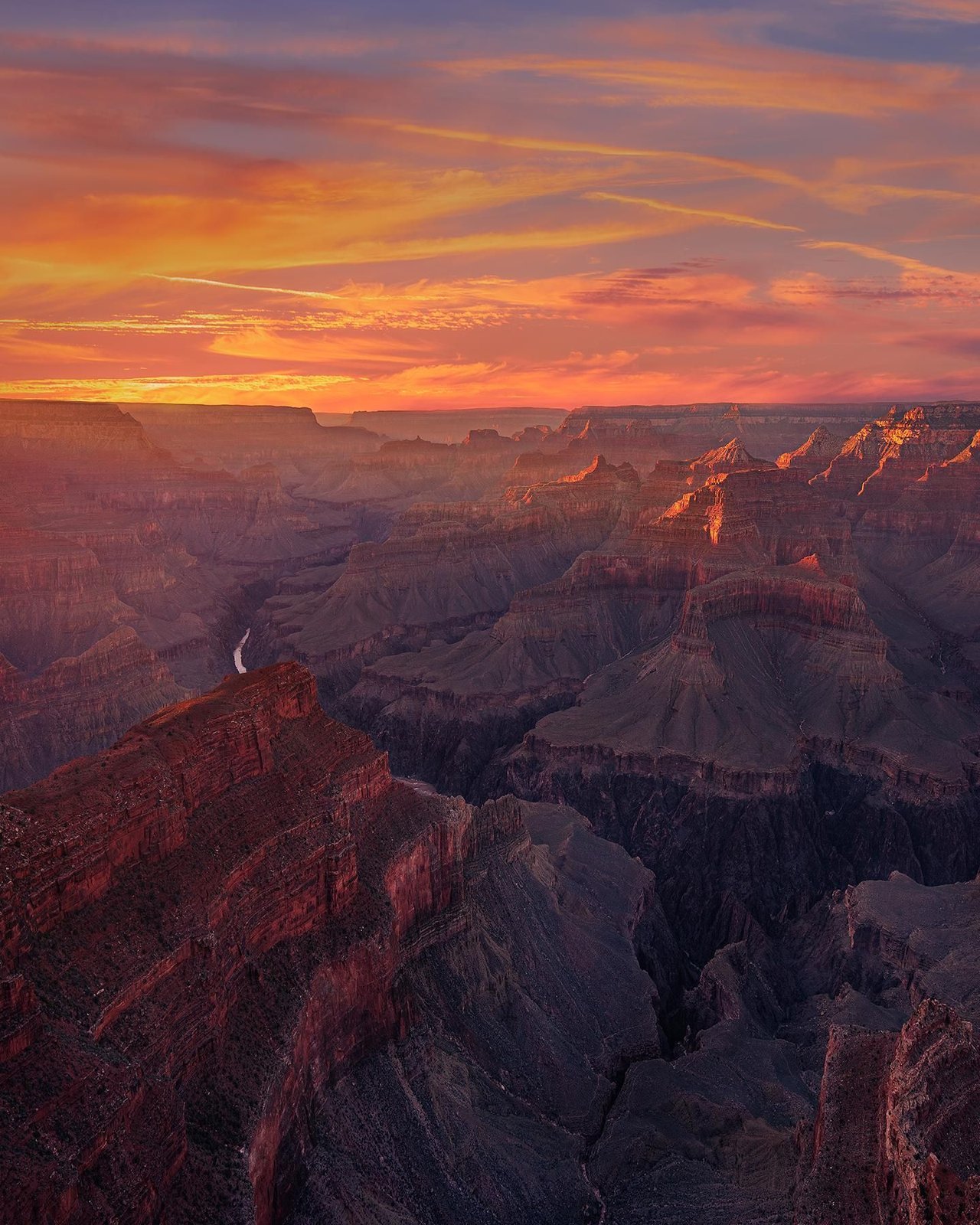
What Is the Best Time of Year to Visit the Grand Canyon?
What is the best time of year to visit the Grand Canyon? The Grand Canyon in July (105°F, crowds shoulder-to-shoulder) and the Grand Canyon in October (70°F, breathing room) are essentially two different parks. For most people, the answer is April–May and September–October. But the “best” time depends on which rim, what you want to do, and how you feel about crowds. Here’s the complete seasonal guide.
The Short Answer: Spring and Fall Win
- April–May: mild temperatures (60s–70s at the rim), wildflowers in bloom, manageable crowds, all facilities open. The sweet spot for hiking and sightseeing alike.
- September–October: summer heat breaks, crowds thin after Labor Day, golden light, crisp mornings. Arguably the single best month: October.
What Is the Best Time of Year to Visit the Grand Canyon? Month by Month
- January–February: fewest crowds, possible snow on the rim (beautiful!), South Rim open year-round. North Rim closed. Inner canyon hiking is actually pleasant (50s–60s). Great for solitude seekers; pack winter gear for the rim.
- March: transitional — snow possible early, lovely late. Crowds still low. Good value month.
- April–May: prime time. Everything open, great weather, moderate crowds (busy on weekends and spring break).
- June–August: peak season. South Rim highs in the 80s (pleasant), but inner canyon hits 100°F+ — hiking below the rim midday is genuinely dangerous. Biggest crowds, highest prices, book lodging 6–12 months ahead. Sunrise/sunset visits beat midday.
- September: crowds drop, temperatures ease. Excellent.
- October: peak fall color on the North Rim (which closes mid-October), perfect South Rim weather. My top pick overall.
- November–December: quiet, cold on the rim (30s–40s), possible snow. Magical if you’re prepared; North Rim closed.
South Rim vs. North Rim (This Decides Everything)
- South Rim: open year-round, 90% of visitors, most viewpoints, lodges, and services. Easier logistics, bigger crowds.
- North Rim: open mid-May to mid-October only, 10% of visitors, higher elevation (8,000 ft — cooler), wilder feel. A 4.5-hour drive from the South Rim — they’re not interchangeable in one day.
First-timers: South Rim. Return visitors or solitude seekers: North Rim in September. The rims offer completely different perspectives — neither is “better,” they’re complementary.
Hiking Considerations by Season
- Rim trails: doable year-round on the South Rim with proper clothing.
- Below the rim (Bright Angel, South Kaibab): best March–May and September–November. Summer inner-canyon hiking requires a pre-dawn start, gallons of water, and serious heat respect — rangers rescue hundreds of unprepared hikers yearly.
- Rim-to-rim: late spring and early fall only (North Rim access + moderate inner-canyon temps). This is a bucket-list hike that demands training and planning.
- Winter below the rim: inner canyon is mild, but icy trail sections near the rim require traction devices.
Beating the Crowds (Whenever You Go)
- Arrive at popular viewpoints for sunrise — you’ll share it with dozens, not thousands.
- Walk 10 minutes down any trail and crowds vanish. Most visitors never go below the rim.
- Visit midweek instead of weekends.
- Book lodging inside the park (El Tovar, Bright Angel Lodge) the moment reservations open — or stay in Tusayan just outside.
- Use the free shuttle system; parking at popular viewpoints fills by 10 AM in peak season.
If the Canyon is part of a bigger Southwest loop, our best Southwest road trip routes show how to fit it into the Grand Circle, and planning a national park trip with kids covers family-specific tactics.
What Is the Best Time of Year to Visit the Grand Canyon for Hiking Below the Rim?
Seeing the Canyon from the rim is spectacular. Hiking into it is transformative — and the seasonal calculus for below-the-rim hiking is completely different from rim sightseeing. Get the season wrong down there and you’re in genuine danger; get it right and it’s the best hike of your life.
The golden windows: March–May and September–November. During these months, rim temperatures are mild (50s–70s) and inner canyon temperatures are warm but manageable (70s–90s). The classic corridor trails — Bright Angel and South Kaibab — are at their best. Spring brings wildflowers to the inner canyon; fall brings crisp air and golden cottonwoods along the Colorado. These are also the busiest hiking seasons, so start at dawn to beat both crowds and heat.
Summer below the rim: experts only, and even experts are cautious. Inner canyon temperatures regularly exceed 110°F from June through August. The Park Service rescues hundreds of hikers yearly — most from heat illness on summer afternoons. If you must hike summer: start before sunrise (4–5 AM), carry a gallon of water per person plus electrolytes, rest in shade from 10 AM–4 PM (seriously — sit out the midday), and never attempt rim-to-river-to-rim in one summer day. The Canyon doesn’t care about your fitness; heat is the great equalizer.
Winter below the rim: the secret season. The inner canyon in December–February runs 50s–60s — perfect hiking weather. The catch is the top: rim trails are icy, requiring traction devices (microspikes) for the first mile or two. Once you descend past the ice, it’s glorious — empty trails, mild temperatures, the Canyon to yourself. Pack for 30°F at the rim and 60°F at the river; the 40-degree swing in a single hike is the Canyon’s signature. Check trail conditions at the visitor center — ice varies yearly.
The rim-to-rim question: the classic bucket-list hike (South Kaibab down, Bright Angel up — or full rim-to-rim) is only feasible when the North Rim is open (mid-May to mid-October) AND inner canyon temperatures are safe. That narrows the window to late May–early June and September–early October. It’s a 21+ mile undertaking with 6,000 feet of elevation change — train for it, start pre-dawn, and respect the Park Service’s warning: “Down is optional, up is mandatory.” More hikers get in trouble underestimating the climb out than anything else.
Permits and planning: day hikes on corridor trails need no permit, but overnight below the rim requires a backcountry permit (apply months ahead — they’re competitive). Check water availability — pipeline breaks occasionally shut off water stations, and you must carry accordingly. The backcountry office’s morning briefing is worth attending; rangers give current conditions you won’t find online. Below the rim, the Canyon rewards the prepared and humbles everyone else. Be the prepared.
The Bottom Line
The best time to visit the Grand Canyon is April–May or September–October — with October as the overall winner for weather, crowds, and fall color. Summer works if you plan around heat and book far ahead; winter offers solitude for the prepared. Pick your rim, respect the seasons, start hikes early, and the Canyon will do the rest. It always does.
For current conditions and reservations, the NPS Grand Canyon page is authoritative, and Wikipedia’s Grand Canyon article covers the geology that makes it extraordinary.