
How Can I Make My Home Smell Good Without Candles?
How can I make my home smell good without candles? Candles are the default answer for home fragrance, but they’re not for everyone — open flames around kids and pets, smoke residue, headaches from synthetic fragrances, or just the cost of replacing them. Going flameless opens up options that are often cheaper, safer, and longer-lasting. I’ve tested nearly all of them, and several beat candles outright.
First: Eliminate Before You Add
The biggest secret of good-smelling homes isn’t fragrance — it’s the absence of bad smells. Before adding any scent:
- Take out the trash. Obvious, but the #1 source of home odor. If it smells, it’s the trash.
- Clean the disposal and dishwasher. Grind ice cubes and lemon peels in the disposal; run the dishwasher empty with vinegar monthly.
- Wash soft things. Curtains, throw pillows, pet beds, rugs — fabrics absorb odors silently. Baking soda sprinkled on carpets for 15 minutes before vacuuming works wonders.
- Check the fridge. One forgotten leftover can perfume the whole kitchen. Baking soda box in the fridge, replaced quarterly.
- Ventilate. Open windows for 10 minutes daily, even in winter. Stale air is half the problem.
No fragrance product overcomes a dirty house. The baseline matters more than the method.
How to Make Your Home Smell Good Without Candles: The Best Methods
Stovetop simmer pots (the coziest option)
Fill a pot with water and add: sliced citrus, cinnamon sticks, cloves, vanilla extract, rosemary, or apple peels. Simmer on low — your whole home smells like a holiday within 20 minutes. Cost: pennies, using scraps. Keep an eye on the water level. This is my personal favorite; it’s the closest thing to candle ambiance without the flame.
Essential oil diffusers
Ultrasonic diffusers ($20–$30) mist scented water into the air — no flame, no smoke, and one bottle of oil lasts months. Use 5–10 drops per fill. Caution: some oils are toxic to cats and dogs (tea tree, eucalyptus, citrus oils among others) — research pet safety before diffusing around animals.
Baking (the delicious cheat)
Nothing makes a home smell better than actual baking. Bread, cookies, roasted coffee, simmering soup — the smell is real because the food is real. Time your baking before guests arrive and take the credit.
Fresh elements
- Eucalyptus in the shower. Hang a bundle from the showerhead (not in direct water); the steam releases the scent. Lasts 2–3 weeks, costs a few dollars.
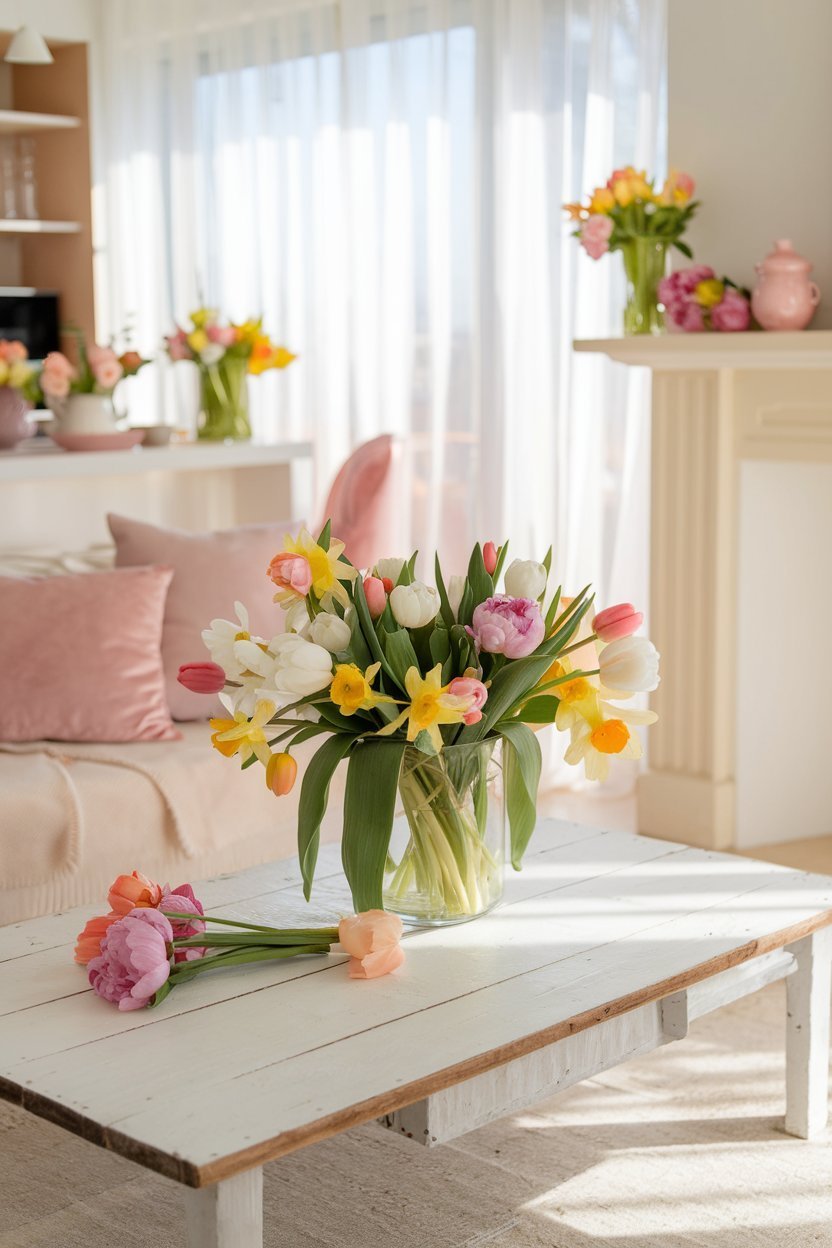
- Fresh herbs or flowers. A $5 grocery bouquet or a pot of rosemary on the counter scents a room naturally.
- Citrus peels in the disposal. Instant kitchen refresh.
Reed diffusers and sachets
Reed diffusers provide constant, flameless scent for months — great for bathrooms and entryways. Sachets of dried lavender in drawers and closets keep clothes and linens fresh. Both are set-and-forget, which candles aren’t.
The laundry trick
Add a scent booster or a few drops of essential oil to wool dryer balls. Your clothes, towels, and bedding carry the scent through the whole house. Clean laundry smell is the most universally loved home scent there is.
Room-by-Room Strategy
- Entryway: reed diffuser or sachet — first impressions matter.
- Kitchen: simmer pot or citrus disposal refresh; address cooking smells with the range hood every time.
- Bathroom: eucalyptus shower bundle + a reed diffuser. Small space, big impact.
- Bedroom: linen spray on pillows (DIY: water + a few drops of lavender in a spray bottle) or sachets in drawers.
- Living room: diffuser or simmer pot when you’re home to enjoy it.
For the deep-clean foundation that makes all of this work, our guide on making cleaning actually enjoyable helps, and decluttering removes the hidden odor traps clutter creates.
How Can I Make My Home Smell Good Without Candles or Essential Oils?
Maybe you’re sensitive to essential oils, worried about pets, or just want the simplest possible approach. Good news: some of the best home fragrance comes from no products at all — just your kitchen, your windows, and a few natural materials. Here’s the zero-product playbook.
Simmer pots are the undefeated champion of natural home scent. A pot of water on low heat with whatever’s on hand — citrus peels, apple cores, cinnamon sticks, cloves, rosemary sprigs, vanilla extract — scents the entire home within half an hour. The combinations are endless and seasonal: orange + cinnamon + clove for fall, lemon + rosemary + vanilla for spring, pine sprigs + orange for winter. Cost: essentially zero, since you’re using scraps. Keep the heat low and the water topped up.
Baking is fragrance you can eat. The smell of bread, cookies, roasted garlic, or simmering soup is the most universally loved home scent because it’s real. Time your baking strategically — bread in the oven when guests arrive is a better welcome than any diffuser. Even roasting coffee beans (or just brewing a strong pot) perfumes the kitchen beautifully.
Fresh natural elements do quiet, constant work. A bowl of lemons or oranges on the counter (they scent the air as they sit, and you eat them eventually), a small pot of fresh herbs on the windowsill (rosemary and mint are the most fragrant), a vase of whatever’s in season — even grocery store flowers. These aren’t “fragrance products”; they’re just living things that happen to smell good.
The stovetop popcorn trick is oddly effective: popping plain popcorn scents the whole house with warm, toasty comfort smell in minutes. It’s not a recognized fragrance method, but every real estate agent knows that baking or popping something before a showing makes homes feel warmer. There’s a reason for that — food smells signal home.
Don’t underestimate the power of just… fresh air and clean. Open windows for cross-ventilation (even 10 minutes in winter), wash the curtains, steam-clean the couch, launder the bedding. A huge percentage of “my house doesn’t smell good” is actually “my house smells stale.” No fragrance product beats the baseline of clean air and clean fabrics. Start there, layer the simmer pot on top, and your home will smell better than any candle could manage — with zero products purchased.
The Bottom Line
Making your home smell good without candles is easy: eliminate odors first, then layer in simmer pots, diffusers, fresh elements, and the laundry trick. You’ll spend less than the candle habit, skip the open flame, and your home will smell better — because real scents (citrus, herbs, baking) beat synthetic “ocean breeze” every time.
On fragrance safety, the EPA’s Safer Choice program certifies low-concern fragrance products, and Wikipedia’s essential oil article covers uses and pet-safety cautions.