
What is the best way to treat a sunburn at home
Here’s what frustrates me about most health content on treating a sunburn at home: it either treats you like you’re fragile or like you’re a professional athlete. You’re neither. You’re a normal person with a job, a schedule, and limited patience for 47-step protocols. So when people ask me what is the best way to treat a sunburn at home, I give them the version I’d give a friend over coffee — the honest, practical version. That’s what you’re getting here.
You fell asleep in the sun, or you "only" forgot to reapply, and now you're the color of a lobster with the texture of regret. I've been there — the hot shower that feels like betrayal, the t-shirt that becomes an enemy. Sunburn is genuinely miserable, but it's also straightforward to treat: your skin is injured and inflamed, and it needs cooling, moisture, and time. Most sunburns are manageable at home if you act promptly and resist the urge to "tough it out."
What is the best way to treat a sunburn at home — What Actually Works
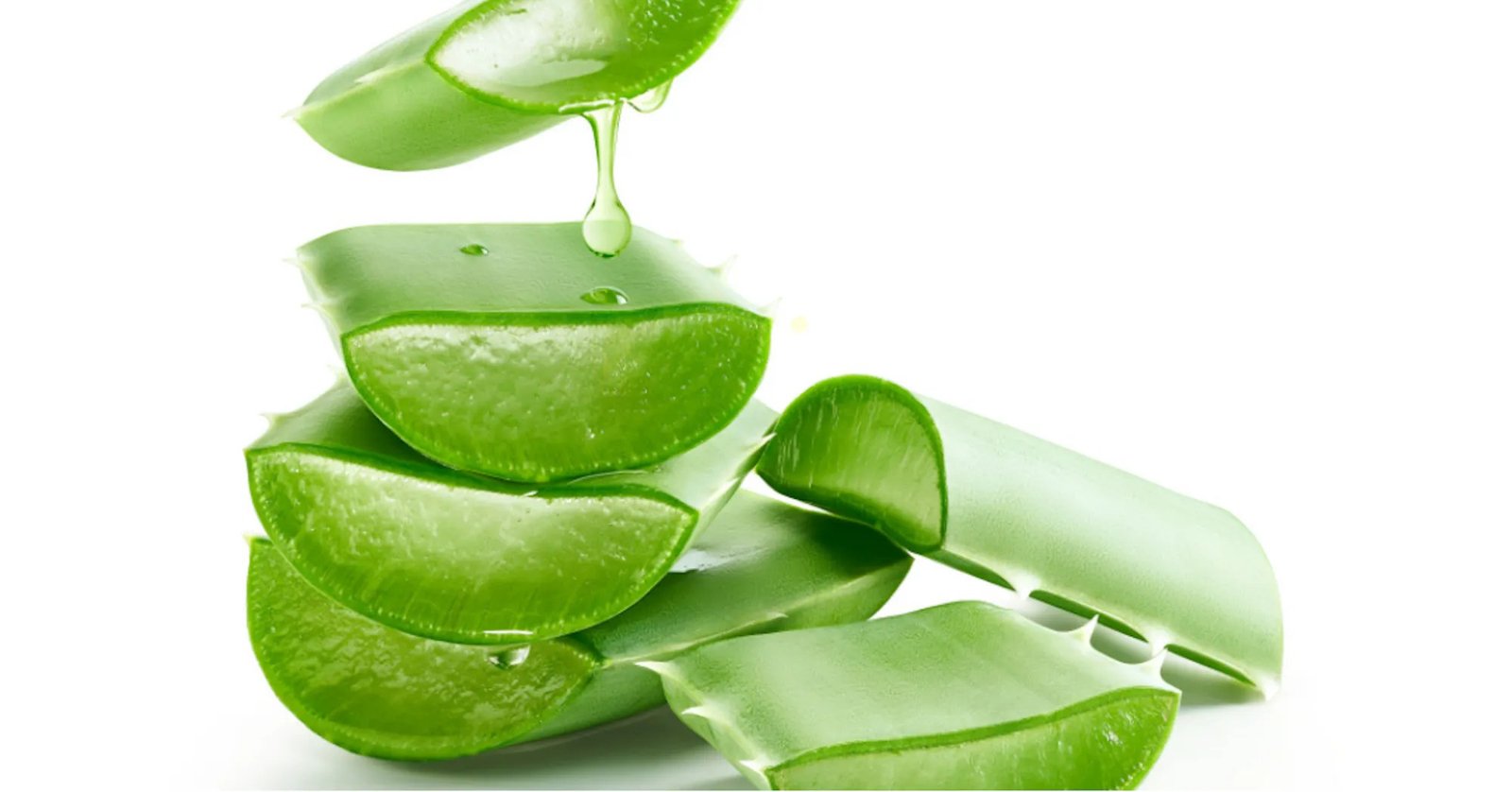
Act fast — the first hours matter most. Get out of the sun immediately and cool the skin: cool (not ice-cold) baths or showers, or damp cool towels for 15 minutes at a time. Then moisturize while skin is still damp — aloe vera gel or a fragrance-free moisturizer with ceramides; skip anything with alcohol, which dries and stings. For pain and inflammation, ibuprofen or aspirin taken early genuinely helps — they reduce the inflammatory cascade, not just the pain. Drink extra water; sunburn draws fluid to the skin and quietly dehydrates you. Wear loose, soft clothing and stay out of the sun until healed. Don't pop blisters — they're sterile protection; if one breaks, keep it clean and covered. Most sunburns peak in 24 to 36 hours and fade within a week. The one thing people skip: after healing, that skin is extra vulnerable — be religious about sunscreen on the area for weeks.
I want to reframe treating a sunburn at home before we go further, because the usual framing sets people up to fail. This isn’t a test you pass or fail, and it’s not a 30-day transformation. It’s maintenance — like brushing your teeth. Nobody expects brushing to be exciting; you just do it because the alternative is worse. Approaching treating a sunburn at home with that same unglamorous consistency is what actually works, in my experience and in the research.
If you want a second opinion from an authoritative source as you go, the American Academy of Dermatology on treating sunburn and the Skin Cancer Foundation are both solid places to cross-check what you read here.
What's Really Going On With Treating a sunburn at home
You don’t have to take my word for any of this. The fundamentals behind treating a sunburn at home are some of the most replicated findings in health science: consistent moderate habits outperform sporadic intense ones, sleep underpins nearly everything, and small sustained changes beat dramatic overhauls. Boring? Completely. But boring is what the evidence keeps pointing to, year after year.
For a related angle, our guide to How do I transfer photos from my old phone to a new phone pairs well with what you’re learning here — the two topics overlap more than most people realize.
Your Simple, Sustainable Plan
- Take ibuprofen early — it fights the inflammation driving the pain, not just the pain.
- Cool showers and damp towels beat ice, which can damage burned skin further.
- Moisturize damp skin to lock in hydration; reapply often.
- Don't peel flaking skin — let it shed naturally to avoid scarring.
- Stay hydrated; sunburn is dehydrating in ways people underestimate.
Mistakes That Sabotage Most People
Treating discomfort as a stop sign instead of a signal
Some discomfort with treating a sunburn at home is information, not danger — the burn of effort, the awkwardness of a new habit. But sharp pain, dizziness, or anything that feels genuinely wrong is different. Learning to tell productive discomfort from warning signs is a skill worth developing, and when in doubt, check with a professional.
Comparing your chapter one to someone else's chapter twenty
Social media shows you the highlight reel: the transformation photos, the perfect routines, the effortless results. What you don't see is the years, the genetics, the lighting, and occasionally the filters. Your journey with treating a sunburn at home only has to beat your own yesterday, not someone's curated feed.
Quitting at the first bad week
Progress with treating a sunburn at home is never linear. You'll have a great two weeks, then a terrible one, and your brain will declare the whole thing a failure. It's not. One bad week in twelve is noise. The people who succeed aren't the ones who never slip — they're the ones who treat a slip as a data point and keep going.
Ignoring the basics while chasing advanced tactics
People ask me about optimization — the perfect supplement timing, the ideal macro split — while sleeping five hours a night. That's like tuning a race car's aerodynamics when it has flat tires. For treating a sunburn at home, nail the foundations first: consistency, sleep, and honest self-tracking. The advanced stuff is rounding error until the basics are solid.
What To Do This Week
Here’s what I’d tell you if we were talking face to face about treating a sunburn at home: don’t try to implement this whole guide tomorrow. Read it, pick the one change with the best effort-to-impact ratio for your life, and start there. Revisit the rest in a month. Slow, steady, and still going beats fast, intense, and quit — I’ve seen it play out that way too many times to believe otherwise.
One more resource worth bookmarking: How much storage do I really need on a phone for everyday use covers adjacent ground that’ll reinforce everything above.
A note of caution: Seek care for sunburn covering large areas, blistering over much of the body, fever, chills, dizziness, confusion, or signs of infection (increasing pain, pus, red streaks) — severe sunburn can be a medical issue.
Quick Answers To Common Questions
What if I've tried treating a sunburn at home before and failed?
Then you're normal, and you have useful data. Most "failures" are really just attempts that were too ambitious, too complicated, or started at the worst possible time. Ask yourself what specifically derailed you last time — not vaguely, specifically — and design around that one thing. Smaller target, simpler plan, better timing. Past attempts aren't evidence you can't do it; they're the instruction manual for how you'll succeed this time.
How long does it take to see results with treating a sunburn at home?
Honestly? Longer than the internet promises and sooner than your pessimism suggests. Most people notice small shifts in two to three weeks of consistent effort — better energy, better sleep, a general sense of things working. Visible, measurable change usually takes six to twelve weeks. The trap is quitting at week three because you're "only" feeling better instead of transformed. Feeling better is the point; the visible stuff follows.