
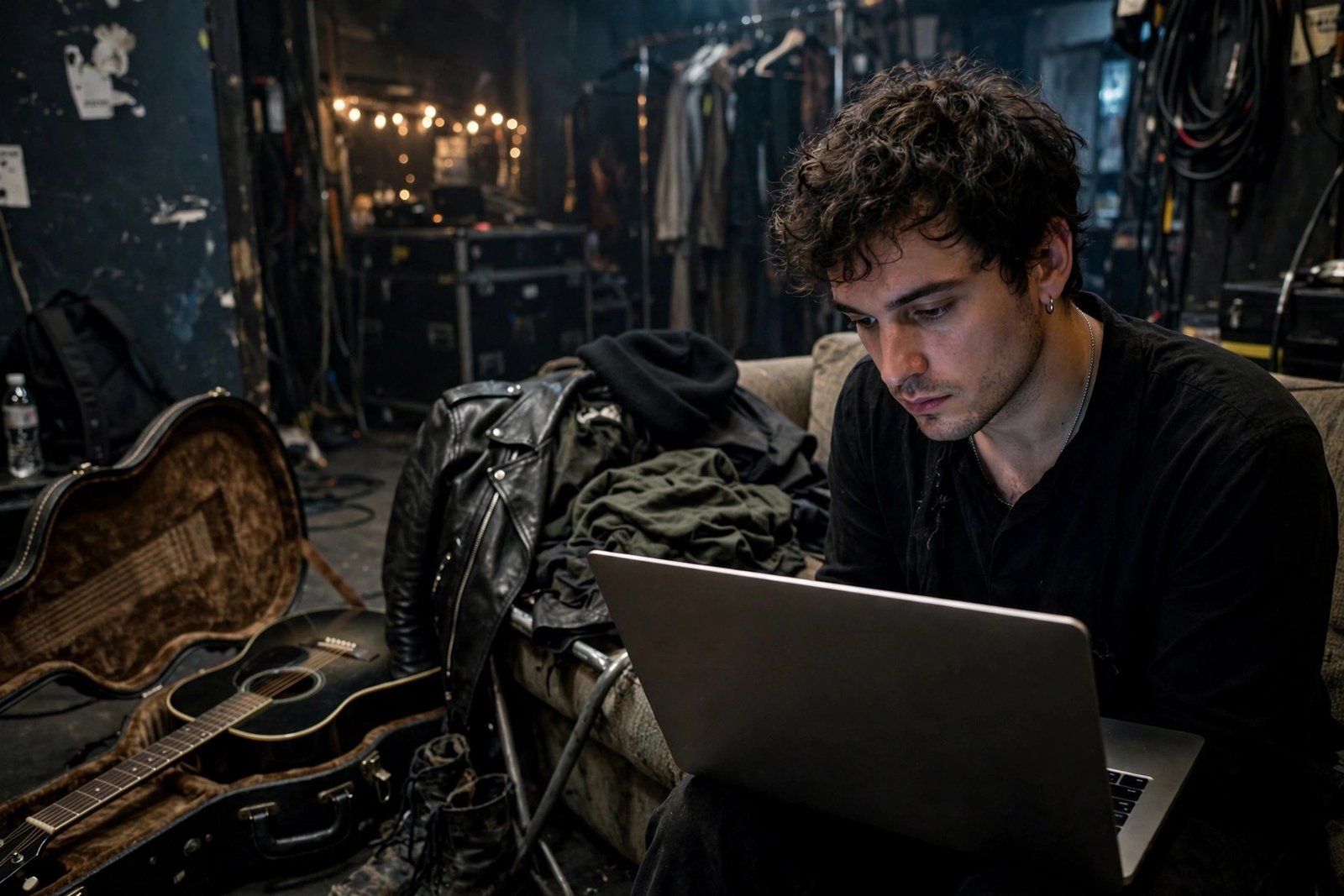
You release music you poured yourself into, and someone online calls it derivative garbage. Or a critic dismisses your album in two paragraphs. Or a YouTube comment section turns savage. Every musician who puts work into the world faces negative reviews — it is the tax on being heard. The question is not whether it happens, but how you handle it without it derailing you.
This guide is the practical playbook: sorting useful criticism from noise, deciding when to respond (almost never) and when to engage, protecting your mental health, and even using negative feedback to get better.
First, Breathe: The Psychology of Taking It Personally
Negative reviews hurt disproportionately because of how our brains work — the negativity bias means one harsh comment outweighs ten compliments, and for musicians, the work is the self, so criticism of the music feels like criticism of the person. Understanding this does not make it painless, but it reframes the reaction as neurological, not rational.
Give yourself 24 hours before doing anything. The immediate urge — reply angrily, delete everything, quit music — is the emotional brain talking. Almost every musician has a story about a review that devastated them for a day and was forgotten in a week. Time is the most reliable healer here. If criticism is affecting your daily functioning, the stress-management techniques for reducing stress while working from home apply equally to creative careers — musicians are remote workers with unusually public performance reviews.
Sort the Signal From the Noise
Not all negative feedback is equal. Learn to triage: Trolls and drive-bys (“this sucks lol”) contain zero information — ignore completely. Taste mismatches (“not my genre but…”) are not really about your quality — acknowledge and move on. Specific technical criticism (“the vocals are buried in the mix,” “the second verse drags”) is gold, even when it stings — this is free consulting.
Pattern feedback deserves the most attention: if five unrelated listeners all say the chorus arrives too late, they are probably right, regardless of how it feels. And professional criticism (reviews from established critics) operates by its own rules — critics write for their readers, not for you, and a thoughtful negative review from a respected critic can actually build your credibility. The skill is extracting the usable 10% from any criticism while discarding the emotional 90%.
The fan-test for criticism
Ask: would I take musical advice from this person? Criticism from respected peers, experienced producers, and thoughtful listeners deserves weight. Criticism from anonymous accounts with no creative output of their own deserves none. Calibrate the source before absorbing the message.
When to Respond (and When to Absolutely Not)
The default answer is: do not respond. Engaging with trolls rewards them, arguing with critics makes you look fragile, and public feuds become the story instead of your music. The internet never forgets a musician’s meltdown, but it forgets the review that caused it within days. Silence is almost always the winning move.
The rare exceptions: factual errors (a review claims you sampled something you did not — a calm correction is fine), direct questions from genuine fans who disliked something (a gracious “thanks for listening honestly” builds loyalty), and private constructive feedback from peers (engage deeply — this is mentorship). Never respond in anger, never respond at 2 AM, and never let your manager or label respond passive-aggressively on your behalf — it always reads as you.
Protecting Your Mindset: The Long Game
Career longevity requires emotional systems, not just willpower. Curate your inputs: you do not have to read every review — many successful artists have a trusted person filter feedback and pass along only what is useful. Separate identity from output: you are not your last single; a bad review of a song is not a verdict on your worth. Keep a wins file: screenshots of kind messages, good reviews, and fan stories to revisit on dark days.
Maintain perspective with data: every beloved artist has terrible reviews — search your heroes’ one-star ratings and notice they survived. Build a support circle of fellow musicians who understand; civilian friends mean well but cannot fully get it. Practices like keeping a gratitude journal sound soft until you try them during a rough release week — deliberately noting what is working counterbalances the brain’s negativity bias. And if criticism triggers persistent anxiety or depression, the National Institute of Mental Health offers guidance on recognizing when professional support helps — there is zero shame in it.
Using Negative Feedback to Get Better
The ultimate power move is converting criticism into craft. After the emotional dust settles, revisit substantive critiques with fresh ears: listen to your mix on the systems critics mentioned, examine the song structures that multiple listeners flagged, and compare your work honestly against the references critics invoked. Some of the best artistic growth comes from feedback that initially felt unfair.
Build a feedback process before you need it: a small circle of trusted ears who hear music pre-release and tell the truth. Professional songwriters do this routinely — it is why their “overnight successes” are so polished. And remember the American Psychological Association’s guidance on stress: reframing challenges as growth opportunities is not positive-thinking fluff but a validated resilience technique. The review that stings today can be the lesson that elevates your next record — if you let it.
Conclusion
Negative reviews are proof you are in the arena — unheard music gets no criticism. Triage feedback ruthlessly (ignore trolls, mine specifics, watch for patterns), default to silence publicly, protect your mindset with systems rather than willpower, and convert the useful bits into better art. The musicians with long careers are not the ones who avoided criticism; they are the ones who learned to process it without letting it stop them. Your next song is the best response to your last review.
Frequently Asked Questions
Should I ever reply to a negative review of my music?
Almost never. The exceptions are factual corrections, gracious responses to genuine fans, and private engagement with constructive peer feedback. Public arguments with critics or trolls damage you far more than the original review did.
How do I stop obsessing over a bad review?
Give it 24 hours without acting, curate your inputs (have someone filter feedback for you), revisit your “wins file” of positive responses, and redirect the energy into your next song. Obsession fades fastest when you are busy creating.
Can negative reviews actually help my career?
Sometimes — a thoughtful negative review from a respected critic can raise your profile, controversy drives curiosity streams, and specific technical criticism makes your next release better. What harms careers is not criticism but the artist’s reaction to it.
What is the difference between a troll and a critic?
Trolls offer no specifics and seek reaction; critics (even harsh ones) engage with the actual work and write for an audience beyond you. Trolls deserve silence. Critics deserve, at most, private reflection on whether any of their points hold.
Should I read my own reviews at all?
Many successful artists do not — they delegate feedback-filtering to a trusted person who passes along only actionable insights. If reading reviews harms your mental health or creativity, stopping is not weakness; it is professional self-management.