
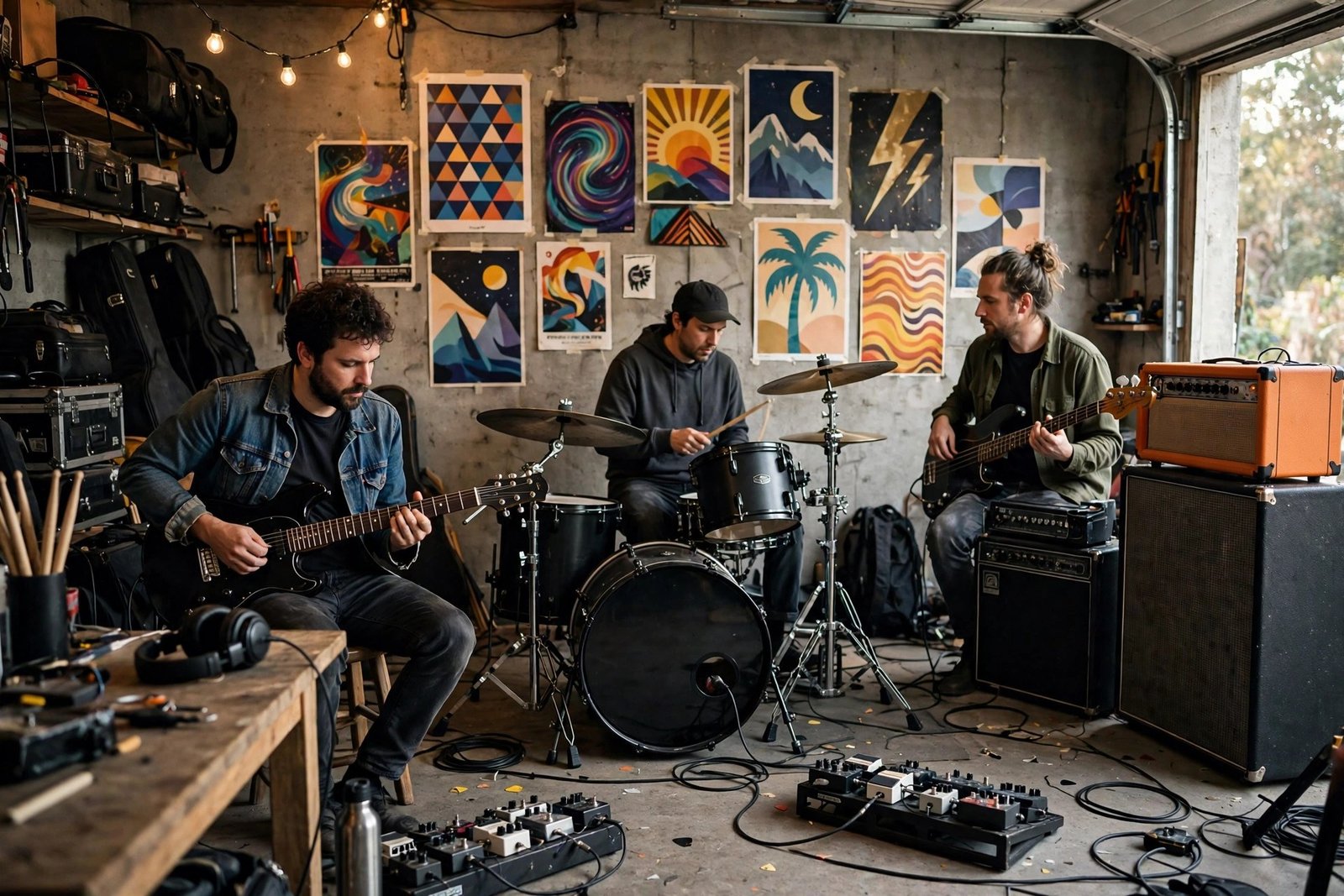
Craigslist remains one of the most effective places to find band members — the musicians section in any major city gets dozens of new posts daily, and countless working bands met through a simple ad. But it is also the internet’s wild west: no profiles, no verification, and the occasional scammer or sketchy character mixed in with genuine musicians.
This guide shows you how to use Craigslist to find band members while staying safe: writing an ad that attracts the right people, screening replies, meeting safely, and spotting the red flags that experienced musicians learn to recognize.
Writing an Ad That Attracts Serious Musicians
Most Craigslist musician ads are terrible — vague, demanding, or unintentionally hilarious. Yours should answer five questions in the first paragraph: what instrument you need, what genre and influences, the project’s goals (hobby band? gigging? recording?), rehearsal location and schedule, and the age range. Serious musicians skim fast; clarity gets replies.
Include links to your music — SoundCloud, YouTube, Spotify, even phone recordings of rehearsal. An ad with no music gets a fraction of the responses. Be honest about skill level: “intermediate players looking to gig monthly” attracts the right people, while “must be pro-level” from a band with no gigs attracts eye-rolls. Mention practical details too: do you have a rehearsal space, PA, and drummer? Logistical readiness signals that the project is real.
What to leave out of the ad
Never post your home address, full name, or phone number in the public ad — use Craigslist’s anonymized relay email. Do not oversell (“backed by major label interest!”) or trash-talk former members; both repel good musicians. And skip the laundry list of demands — “must have pro gear, own transport, no drama, available 5 nights a week, 21–25 only” reads as a red flag factory.
Screening Replies Like a Pro
You will get three kinds of replies: serious musicians, flakes, and weirdos. Sort them with a simple process. First, ignore one-line responses (“i play guitar hit me up”) — anyone worth jamming with can write two sentences. Second, ask for recordings or video of their playing before meeting; this filters out most mismatches instantly and is completely normal to request.
Third, have a short phone or video call before any in-person meeting. You will learn more in five minutes of conversation than in twenty emails — reliability, personality, sobriety, and genuine enthusiasm all come through in voice. Ask practical questions: their schedule, transportation, gear, and what they are looking for. Mismatched expectations kill more bands than lack of talent, so align early. Musicians who support local artists and musicians in the scene tend to be the reliable collaborators — notice who shows up to other bands’ gigs.
Meeting Safely: The Non-Negotiable Rules
Your first meeting with a stranger from the internet deserves the same caution as any other. Meet in a public place first — a coffee shop, not your garage. Bring a friend or bandmate to first jams. Tell someone where you are going and when you expect to be back. These are basic precautions, and any legitimate musician will completely understand them.
For the first actual jam, use a rehearsal studio or a bandmate’s space rather than inviting someone to your home. Keep valuables out of sight, and trust your instincts — if something feels off, it is always okay to cut the session short. Craigslist’s own safety guidelines emphasize meeting in public and keeping personal information private; they exist because scams and worse do happen, rarely but really.
Money safety
Never send money to someone you met on Craigslist — no “holding deposits” for gear, no advance payment for session work before you have met. Common music scams include fake managers asking for fees, gear sellers who only accept wire transfers, and “promoters” selling gig slots. The FTC’s consumer protection resources document these patterns; if a deal feels off, it probably is.
Red Flags That Experienced Musicians Recognize
Learn these and you will save yourself months of frustration. The ghost replies enthusiastically then vanishes before the first jam — common enough that you should always line up multiple candidates. The exaggerator claims massive experience but cannot produce a single recording. The controller wants to dictate everything before you have played a note together.
The perpetual project has been “about to record” for three years with nothing to show. The substance wildcard treats rehearsal as party time — fine for some scenes, fatal for productivity. And the pay-to-play recruiter who found you through your ad but really wants to sell you studio time or “exposure” gigs. None of these are always disqualifying, but all of them warrant a clear-eyed conversation before you commit.
The Audition: Making It Productive
A good audition is low-pressure and structured. Send the candidate two or three songs to learn beforehand — their preparation level tells you everything about their work ethic. At the session, play the songs, jam a little, and then talk: goals, influences, availability, and how decisions get made. The hang matters as much as the playing; you will spend hundreds of hours with these people.
Do not decide on the spot. Thank them, talk it over with existing members, and follow up within a few days either way — ghosting candidates burns bridges in a scene smaller than you think. And remember that finding members is also about being findable: keep your own playing sharp, stay active in the scene, and keep an ear out. Some of the best band connections happen because people discover new music beyond algorithm playlists — at local shows, through friends, in the real world.
Conclusion
Craigslist works for finding band members because it is where working musicians actually look — but it rewards the careful and punishes the careless. Write a clear, honest ad with music links, screen replies with calls and recordings, meet in public first, never send money, and learn the red flags. Do that, and the weirdness of the platform becomes background noise behind what it does best: connecting you with the drummer, bassist, or singer your project has been missing.
Frequently Asked Questions
Is Craigslist still good for finding band members in 2026?
Yes — the musicians community section remains one of the highest-traffic places for band-member ads in most US cities. It works best combined with in-person networking at shows and open mics, but for sheer volume of local musician eyeballs, it is still hard to beat.
Should I post my phone number in a Craigslist musician ad?
No — use Craigslist’s anonymized relay email for initial contact and share your number only after a real conversation with someone legitimate. Posting your number publicly invites spam, scams, and unwanted calls that have nothing to do with music.
How do I know if a reply to my ad is a scam?
Scam replies often have generic flattery with no mention of your specific ad, push communication off Craigslist immediately, ask for money or personal financial information, or pitch services instead of answering as a musician. Real musicians talk about gear, influences, and availability — scammers talk about opportunities and fees.
What is the safest way to hold a first jam with a stranger?
Meet in public first for coffee, bring a bandmate to the first jam, use a rehearsal studio rather than anyone’s home, tell a friend your plans, and keep valuables secured. Legitimate musicians respect these precautions without question.
How many replies should I expect from a good ad?
In a major metro, a clear ad with music links typically draws 5–15 serious replies in the first week, plus noise. Smaller markets may yield fewer. If you get zero traction after two weeks, revise the ad — add music links, clarify the genre, or broaden the age range.