
How to Thicken Spaghetti Sauce: Step-by-Step Guide (2026)
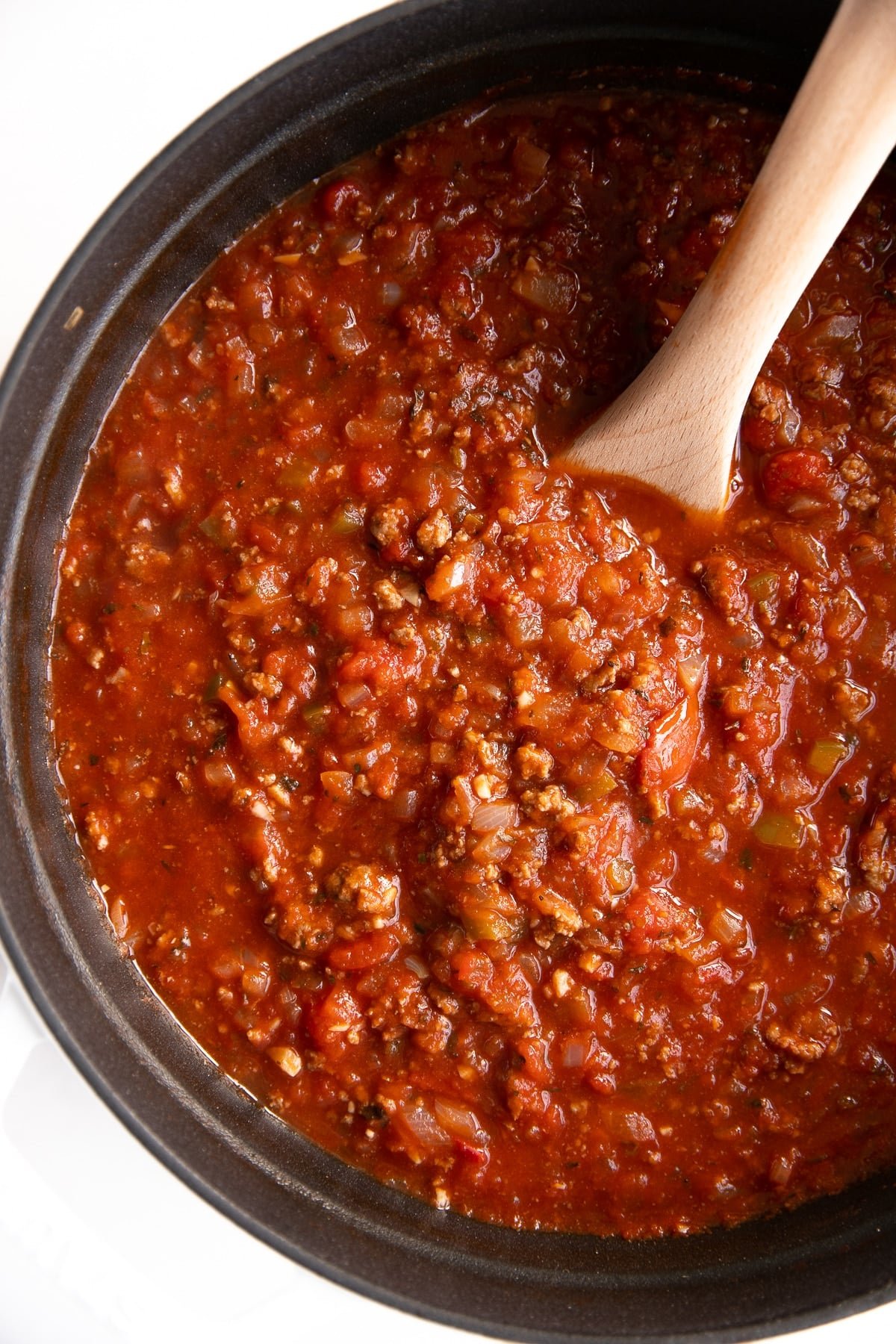
Quick answer: The best way to thicken spaghetti sauce is to let it simmer uncovered for 10 to 20 minutes so the extra water cooks off. You can also stir in a spoonful of tomato paste or a cornstarch mix to speed things up. Your sauce is ready when it thickly coats the back of a spoon.
Why Does Spaghetti Sauce Get Watery?
Thin sauce is a very common problem. It happens for a few simple reasons. Many canned tomatoes hold a lot of water. Cooking with the lid on traps steam inside the pot. Adding wet veggies like mushrooms can also thin things out. The good news is that every one of these problems is easy to fix.
A good sauce should cling to the pasta instead of pooling at the bottom of the plate. Think of it like this: the sauce should hug the noodles, not swim around them. Once you know a few easy tricks, you will never serve watery sauce again.
Method 1: Simmer It Uncovered (The Easiest Way)
This is the most natural way to thicken sauce. It takes a little time, but it gives the best taste. Here is how to do it step by step.
- Take the lid off your pot. Steam needs to escape. If the lid stays on, the water just drips back in.
- Turn the heat to medium-low. You want a gentle bubble, not a hard boil. A hard boil can burn the bottom.
- Stir every few minutes. This keeps the sauce from sticking and helps the water leave evenly.
- Wait 10 to 20 minutes. The sauce will slowly get thicker as the water turns to steam.
- Do the spoon test. Dip a spoon in the sauce and look at the back of it. If the sauce coats the spoon and does not run right off, it is done.
Simmering has a bonus: it makes the flavor richer. The longer the sauce cooks, the more the tastes blend together. Many Italian cooks say patience is the real secret to great sauce. Check out our homemade pasta sauce recipe to see this method in action.
Method 2: Add Tomato Paste
Tomato paste is thick and full of tomato flavor. It is one of the fastest ways to fix thin sauce. Here is what to do.
- Add 1 to 2 tablespoons of tomato paste to your pot for every 4 cups of sauce.
- Stir it in well until no lumps remain.
- Let it cook for 5 to 10 minutes. This cooks off the raw taste of the paste.
- Taste and add more if needed. Add one more spoonful at a time if the sauce is still too thin.
Tomato paste adds body without changing the flavor much. It just makes the sauce taste more like tomatoes. This works best for red sauces. According to Wikipedia, tomato paste is made by cooking tomatoes down for a long time, which is exactly why it thickens so well.
Method 3: Use a Cornstarch Slurry
A cornstarch slurry works in about one minute. It is perfect when dinner is almost ready and you need a quick fix.
- Mix 1 tablespoon of cornstarch with 2 tablespoons of cold water in a small bowl. Stir until smooth.
- Pour the mix into your sauce while stirring.
- Bring the sauce to a gentle boil and stir for 1 to 2 minutes.
- Wait and check. The sauce thickens as it heats. Add a little more slurry if it is still too thin.
Important: always mix the cornstarch with cold water first. If you add dry cornstarch straight to the pot, it will make lumps. You can also use all-purpose flour the same way, but use 2 tablespoons of flour instead of 1 tablespoon of cornstarch.
Method 4: Add Mashed Potatoes or Bread Crumbs
Some cooks thicken sauce with mashed potato flakes or fine bread crumbs. Add 1 tablespoon at a time and stir well. These soak up extra water and give the sauce more body. This works best when you want a hearty, rustic sauce. Plain mashed potato flakes work better than instant mashed potatoes with added flavors.
Method 5: Use a Roux (Butter and Flour)
A roux is a mix of butter and flour cooked together. It is a classic cooking trick.
- Melt 2 tablespoons of butter in a small pan.
- Stir in 2 tablespoons of flour and cook for 1 to 2 minutes, stirring the whole time.
- Spoon the roux into your sauce and stir well.
- Simmer for 5 minutes to let it thicken.
A roux adds a rich, slightly creamy taste. It works well in meat sauces like Bolognese.
Method 6: Drain Your Tomatoes First
The best fix is to stop the problem before it starts. When you open a can of tomatoes, pour off the thin juice before you start cooking. You can save the juice in a cup and add it back later if the sauce gets too thick. Starting with less water means less cooking time later.
How to Keep the Flavor Balanced
Thickening changes the taste a little, so you may need to adjust the seasoning. Here are some tips:
- Taste as you go. Add salt and pepper at the end, not at the start.
- Add a pinch of sugar if the sauce tastes sharp or sour. This is common when you add extra tomato paste.
- Add fresh basil or oregano near the end of cooking for fresh flavor.
- A splash of olive oil at the end adds shine and richness.
For more ideas, see our guide to Italian seasoning basics.
Common Mistakes to Avoid
- Cooking with the lid on. This is the number one cause of watery sauce. Take the lid off and let the steam out.
- Adding cold cheese too early. Cold Parmesan can make the sauce separate. Add cheese at the very end or at the table.
- Using too much pasta water. Pasta water does help sauce stick to noodles, but add it one spoonful at a time. Too much will thin the sauce out again.
- Boiling on high heat. High heat burns the bottom while the top stays watery. Medium-low heat is best.
- Adding cornstarch directly to the pot. It will clump. Always mix it with cold water first.
- Forgetting to taste. Thickening concentrates flavors, so the salt level can change. Always taste at the end.
Tips for Perfect Sauce Every Time
- Start your sauce early. An extra 20 minutes of simmering fixes most problems.
- Use a wide, shallow pan. More surface area means the water cooks off faster.
- Save a cup of pasta water before draining. The starch in it helps the sauce cling to the noodles.
- Let the sauce rest for 5 minutes off the heat. It thickens slightly as it cools.
- Leftovers often thicken in the fridge. Add a splash of water when reheating if needed.
Frequently Asked Questions
How long does it take to thicken spaghetti sauce?
Simmering usually takes 10 to 20 minutes. If you use tomato paste or a cornstarch slurry, you can thicken the sauce in 1 to 5 minutes.
Can I thicken sauce without changing the taste?
Yes. Simmering uncovered only removes water, so the taste stays the same (and actually gets richer). Tomato paste also keeps the tomato flavor. Cornstarch has no taste at all.
Why is my spaghetti sauce still watery after simmering?
You may be cooking with the lid on, or the heat may be too low to keep a gentle bubble going. Take the lid off, turn the heat up slightly, and stir often. Also try draining your tomatoes first next time.
Can I use flour instead of cornstarch?
Yes. Use 2 tablespoons of flour mixed with cold water for every 1 tablespoon of cornstarch. Flour needs to cook for at least 3 to 5 minutes to lose its raw taste.
Will cheese thicken my spaghetti sauce?
A little bit, yes. Grated Parmesan or pecorino can help thicken sauce slightly. But add it at the end and stir gently, because too much heat can make cheese clump or separate.
How do I thicken meat sauce specifically?
Meat sauce has extra water from the meat. Brown the meat well and drain off the fat first. Then simmer uncovered, and use tomato paste if needed. A roux also works well in meat sauces.
Can I thicken sauce in a slow cooker?
Yes, but it takes longer because slow cookers trap steam. For the last 30 to 45 minutes, take the lid off or tilt it so steam can escape. Or stir in a cornstarch slurry at the end.
Conclusion
Thickening spaghetti sauce is easy once you know the options. Start by simmering your sauce uncovered — it is the simplest method and gives the best flavor. If you are short on time, tomato paste or a cornstarch slurry will fix things in minutes. Remember to taste as you go and adjust your seasoning. For more pasta help, read our guide to cooking pasta like an Italian. With these tricks, your sauce will coat every noodle perfectly. For more on tomato products, see Wikipedia’s page on tomato sauce.