Is It Cheaper to Buy Books or Use a Library Membership?
Is It Cheaper to Buy Books or Use a Library Membership?
Book lovers face a quiet financial question: is it cheaper to buy books or use a library membership? I own over 300 books and also hold three library cards, so I’ve run this math on my own habits. The short answer: the library wins on cost almost every time — it’s free, after all. But the real answer is more interesting, because “cheaper” isn’t the only thing that matters. Books you own get reread, lent, and displayed; library books come with due dates and waitlists. Here’s the honest breakdown, including the library perks most people have no idea exist.
The Raw Math
A new hardcover: $25–30. Paperback: $15–18. Ebook: $10–15. Library card: $0 (funded by taxes you’re already paying). If you read 2 books a month, buying new costs $360–720/year; the library costs nothing. Even buying used at $5–8 per book runs $120–200/year. On pure cost, the library isn’t just cheaper — it’s not close. A library card is arguably the best entertainment value in existence: books, ebooks, audiobooks, movies, music, and more, for free.
Is It Cheaper to Buy Books or Use a Library Membership? When Buying Wins
Cost isn’t everything. Buy the book when:
- You’ll reread it. Favorites deserve a permanent spot. Cost-per-read drops with every revisit.
- It’s a reference or textbook. Cookbooks, professional references, and heavily-annotated reads need to live with you.
- You annotate aggressively. Margin notes in library books are a crime; in your own books, a joy.
- The waitlist is 6 months long. Your time has value too. For buzzy new releases, buying (or buying used) beats a 40-week hold.
- It’s a gift or a collection piece. Signed editions, beautiful covers, complete series — some books are objects, not just content.
Library Perks Nobody Tells You About
Modern libraries are wildly underrated. Beyond physical books: ebooks and audiobooks via Libby/OverDrive (free, huge catalogs — see our audiobook guide); streaming movies and music via Hoopla and Kanopy (Kanopy’s film collection rivals paid services — relevant to our streaming guide); free museum passes, tool libraries, and classes; interlibrary loan (your library can borrow almost any book from anywhere); and book clubs and author events. I know people who cancelled two streaming subscriptions after discovering Kanopy. Check your library’s website — you’ll be stunned.
The Hybrid Strategy (What I Actually Do)
Here’s my system, refined over years: library first for discovery — new authors, genres I’m exploring, book club picks. Buy the keepers — books I loved enough to reread get purchased (usually used or on sale). Buy new only for favorite authors I want to support on release day and gifts. This keeps my annual book spending under $150 while I read 50+ books a year. The shelves hold only books that earned their place, which makes the collection better, not just cheaper.
Ebooks, Audiobooks, and the Format Question
Libraries lend ebooks and audiobooks with the same free card — Libby makes it seamless on any device. The catch: digital waitlists can be long for popular titles (libraries pay per digital copy, so fewer exist). For audiobook devotees, library borrowing beats Audible’s credit system on cost by a mile. If you’re getting back into reading, the zero-cost, zero-commitment nature of library borrowing removes every barrier.
Supporting Authors (the Ethical Bit)
A common worry: does borrowing hurt authors? Libraries purchase books (often multiple copies), and many authors credit libraries with building their readership. If you love an author’s work, the best support is: buy their next book, leave reviews, request their books at your library (requests drive purchases), and tell friends. Borrowing book one and buying book two is a perfectly ethical pattern.
Find your library at USA.gov’s library locator, and explore OverDrive/Libby for digital borrowing.
The True Cost of Book Ownership
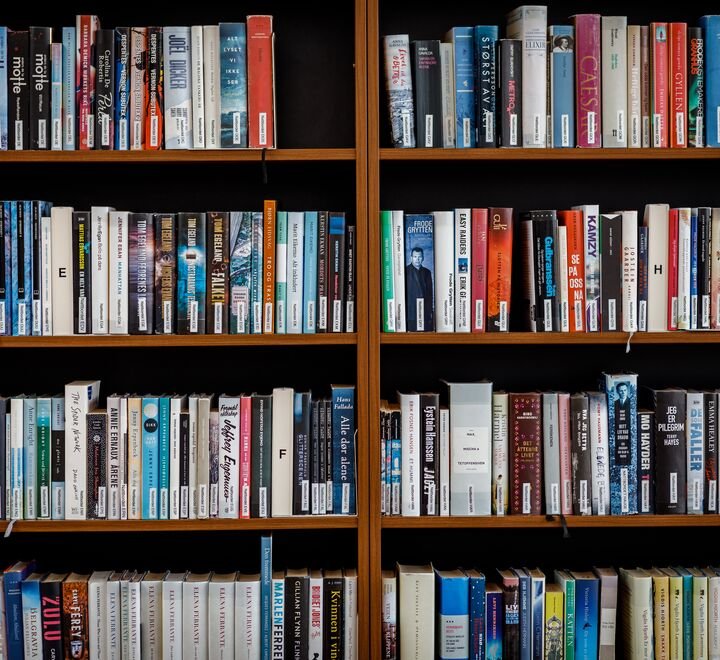
Buying books has hidden costs beyond the sticker price. Space: 300 books need serious shelving — and in expensive housing markets, that shelf space has real value. Moving: books are the heaviest thing most people own; every move, you pay (in money or back pain) for every volume. Professional movers charge by weight, and books are dense. Opportunity cost: the unread books on your shelf represent money that could have been library-borrowed for free.
None of this means don’t buy books — it means buy deliberately. The “shelf of honor” approach: only books you’d reread, reference, or proudly display earn permanent space. Everything else flows through the library. Apply the one-in-one-out rule when shelves fill: a new purchase means donating or selling one that didn’t earn its place. Your collection stays curated, your shelves stay meaningful, and your wallet stays heavier.
Selling and donating complete the cycle: used bookstores give credit, library friends’ groups run sales that fund the library itself, and Little Free Libraries turn your discards into neighborhood joy. A book that moves through many hands delivers more value than one that sits unread on a shelf — even if you paid for it first.
Digital vs. Physical: The Cost Angle
Ebooks: cheaper than print, instant, weightless — but you don’t truly own them (licenses, not purchases), and library ebook waitlists can be long. Audiobooks: the most expensive format to buy ($20–30 each), the best value to borrow (free via Libby). Physical: the only format you truly own, can lend freely, and can resell — but heavy and space-consuming.
The cost-optimal mix: borrow audiobooks and ebooks (highest retail cost, free from library), buy physical selectively (keepers, references, gifts — the formats where ownership matters). This exploits each format’s economics perfectly: you never pay the formats’ worst prices and you own exactly what ownership benefits. For more on the formats themselves, our audiobook guide and reading restart guide cover the experience side.
The Takeaway
The library is cheaper — dramatically so — and far more capable than most people realize. Buy selectively: keepers, references, gifts. Library-first, buy-the-best is the strategy that maximizes both your reading and your budget.
[…] Audiobooks count as reading — the science says comprehension is equivalent, and the gatekeeping is nonsense. They’re perfect for commutes, chores, and walks, turning dead time into reading time. Our audiobook guide for beginners has great starter picks, and they’re free from the library. […]