
How to Find Local Live Music Events Near You
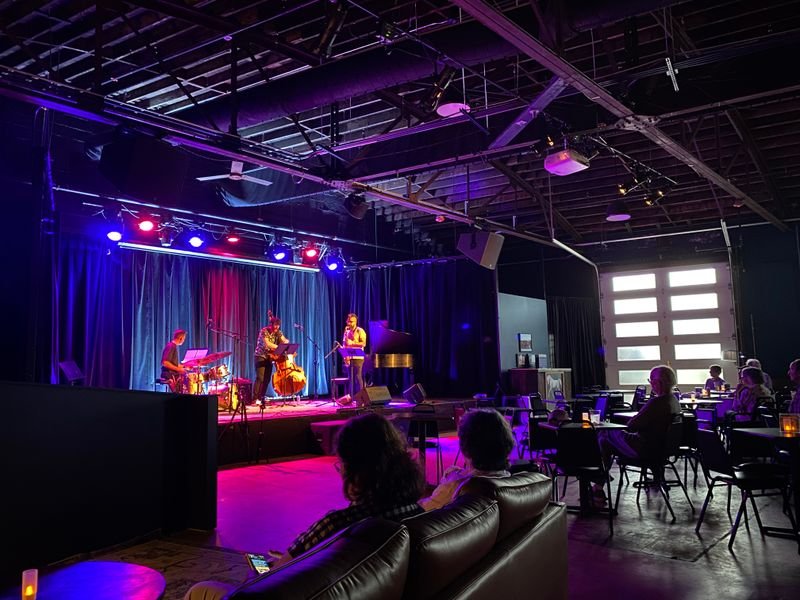
How Do I Find Local Live Music Events Near Me?
Some of the best musical experiences of my life cost $10 at a bar I’d never heard of, watching a band I’d never heard of, because a friend dragged me along. How do I find local live music events near me? Most people only encounter the big-ticket arena shows because that’s what advertising promotes — but underneath, every city has a thriving ecosystem of small venues, bar gigs, house shows, and festivals that never appear in your feed. Here’s how to tap into it.
How Do I Find Local Live Music Events Near Me? The Sources
Venue mailing lists and calendars
Identify the small-to-mid venues in your area — the 100–500 capacity rooms, the listening bars, the breweries with stages — and sign up for their mailing lists or bookmark their calendars. These venues announce shows weeks before aggregators catch them, and their presales are often the cheapest tickets available. Follow them on social media too; last-minute show announcements and secret gigs live there.
Local music publications and blogs
Alt-weeklies, local music blogs, and city subreddits maintain event calendars that the big platforms miss. Search “[your city] live music calendar” or “[your city] shows this weekend” — you’ll find community-maintained listings full of gigs Ticketmaster never touches. These sources also review shows, so you learn which venues have good sound and which bands are worth the cover.
Aggregator apps (use them smartly)
Bandsintown: syncs with your Spotify/library and alerts you when artists you like announce nearby shows. The single most useful concert app that exists.
Songkick: similar concept, great for tracking specific artists’ tour dates.
Eventbrite: surprisingly good for small shows, local festivals, and one-off events.
Facebook Events: unfashionable but still the most complete source for DIY shows, house concerts, and tiny venue gigs.
The analog methods (seriously effective)
Check the bulletin boards at record stores, coffee shops, and music venues — the physical flyers advertise the grassroots shows. Ask bartenders at music venues what they recommend; they see every band that comes through. And talk to musicians after shows — they’ll tell you about their next gigs and their friends’ bands. The local scene runs on word of mouth, and one conversation can plug you in for years.
Types of Local Shows Worth Seeking
- Residency nights: a band playing the same venue weekly or monthly. The crowds are loyal, the vibe is warm, and you’ll watch artists develop.
- Open mics and jam nights: hit or miss by nature, but the hits are magical — and it’s usually free.
- House concerts: intimate performances in living rooms. Search Sofar Sounds or local house-concert networks. Unforgettable.
- Street festivals and summer series: cities run free concert series all summer — our guide to finding free local events covers how to find them.
- Genre-specific nights: jazz jams, bluegrass pickins, electronic showcases — every scene has its weekly gathering spot.
Going Solo Is Fine (Really)
Here’s permission you might need: going to small shows alone is completely normal and often better. You arrive when you want, stand where you want, leave when you want, and you’re more approachable for the conversations that plug you into the scene. Some of my favorite regular venues started as solo weeknight visits. Bring earplugs (seriously — protect your hearing; cheap foam ones work), buy merch to support the artists, and tip your bartender.
Ticket Tips for Small Shows
Small-venue tickets rarely need the arena ticket playbook — but the scam warnings still apply. Buy from the venue or the band’s own links, arrive early for good spots (small rooms fill fast), and check door policies (some are cash-only, some are 21+). Cover charges at bars are usually $5–15 — the best entertainment value in any city.
Understanding Venue Tiers
Local music lives in a venue ecosystem — knowing the tiers helps you navigate it. House shows and DIY spaces: 20–50 people, often donation-based, the rawest and most exciting. Find them through word of mouth and social media; they’re semi-underground by nature. Bars and breweries: 50–150 capacity, often free or $5–10 cover. The backbone of every local scene — this is where you’ll spend most of your time.
Small clubs (150–400): the step up — touring indie acts, better sound systems, $15–30 tickets. These rooms have the best sound-to-cost ratio in live music. Theaters (400–1,500): established touring acts, seated or mixed, $30–75. Arenas and amphitheaters: the big leagues — great for spectacle, worst for value and intimacy. Each tier has its charms, but the magic-per-dollar peaks in the bar-to-small-club range. That’s where you’ll have the nights you talk about for years.
Venue staff are your allies: bartenders, sound engineers, and door people know everything — which bands are great live, which nights to avoid, what’s coming up. Become a regular somewhere and the scene opens up to you. The Bandsintown app is the best digital tool for tracking it all — sync it with your streaming and never miss an announced show again.
Supporting the Scene (Beyond Buying Tickets)
Showing up is the foundation, but the scene thrives on participation. Bring friends — scenes grow one invitation at a time, and introducing someone to their new favorite band is a genuine gift. Buy merch directly — it’s the highest-margin income for artists (more on this in our guide to supporting local artists). Tip the staff — venue workers are part of the ecosystem too.
Document and share: photos and short clips (respecting artists’ policies) spread the word better than any promotion. Tag the venue and band — small accounts notice and appreciate it. Go to the weird stuff: the experimental night, the genre you don’t know, the Tuesday show. The scene’s edges are where the interesting things happen, and adventurous audiences encourage adventurous booking. Be kind: small scenes run on goodwill. The band, the bartender, and the person next to you are all part of the same fragile, wonderful thing. Treat it that way.
The Takeaway
Follow your local venues, set up Bandsintown alerts, check the physical bulletin boards, and ask humans. The local music scene is hiding in plain sight — and once you find it, you’ll wonder why you ever paid $150 to watch a screen from the upper deck.