
How to Find Good Movies to Watch Without Scrolling for an Hour
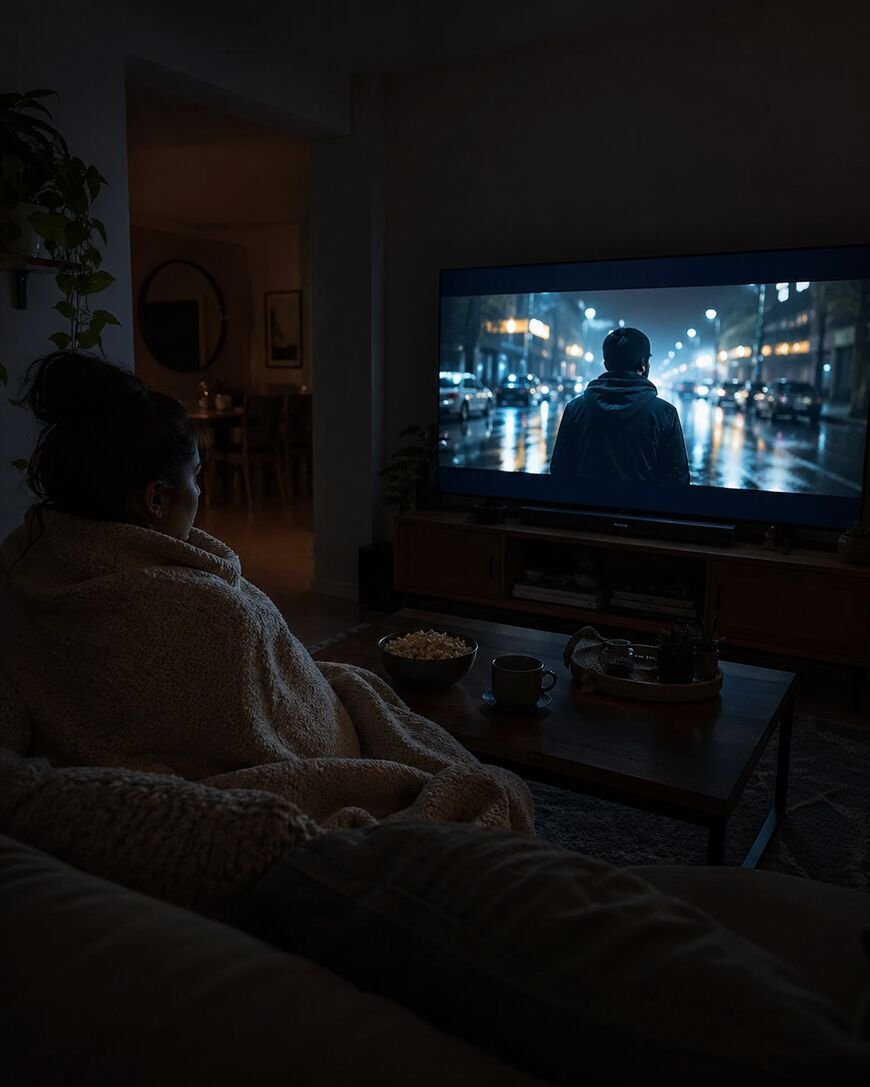
How Do I Find Good Movies to Watch Without Scrolling for an Hour?
You’ve been there: it’s 8 p.m., you sat down to watch a movie at 7, and you’ve spent the entire hour scrolling through thumbnails, reading descriptions, watching trailers, and adding things to a list you’ll never open. How do I find good movies to watch without scrolling for an hour? I timed myself once — 47 minutes of browsing for a 90-minute movie. That’s absurd. The problem isn’t a lack of good movies; it’s decision paralysis multiplied by algorithm-driven interfaces designed to keep you browsing. Here’s the system I use now: I’m usually watching something within 15 minutes, and I enjoy it more.
Why Scrolling Takes So Long (It’s Not Your Fault)
Streaming interfaces are optimized for engagement, not decisions. Endless rows, autoplay trailers, and “because you watched” suggestions create choice overload — psychologists call it the paradox of choice, and streaming is its perfect laboratory. The algorithm also shows you what’s popular or promoted, not what’s good for you. Understanding that the interface is working against decisiveness is the first step to beating it.
How Do I Find Good Movies to Watch Without Scrolling for an Hour? The System
1. Maintain a running watchlist (the 80% solution)
The best movie night starts days earlier. Whenever a friend recommends something, you read a great review, or a trailer catches your eye — add it to a single list immediately. I use my phone’s notes app; apps like Letterboxd work too. When movie night arrives, you choose from 10–20 pre-vetted options instead of 10,000 algorithmic ones. This one habit eliminates most scrolling.
2. The 20-minute rule
Set a timer: 20 minutes of browsing, max. When it rings, you pick the best candidate on your shortlist and press play — no second-guessing. Here’s the liberating truth: a good-enough movie you actually watch beats the perfect movie you never find. I’ve never regretted enforcing this rule; I’ve often regretted the nights I didn’t.
3. Use curators, not algorithms
Algorithms show you more of what you already watched. Human curators show you things you’d never find. My go-to sources: critics whose taste aligns with mine (find one reviewer you consistently agree with and follow them), themed lists (“best heist movies,” “underrated 90s comedies”), and friends with good taste — a personal recommendation beats any algorithm. RogerEbert.com reviews and IMDb‘s top-250 are solid starting points.
4. Filter ruthlessly
Before browsing, set two constraints: a genre or mood (“I want a comedy under two hours”) and a quality floor (IMDb 7.0+, or 80%+ on Rotten Tomatoes — check Rotten Tomatoes for consensus). Constraints kill paralysis. “Anything good” is an impossible search; “a well-reviewed comedy under two hours” returns a manageable list.
5. The trailer test (with discipline)
Allow yourself one trailer per finalist, max three finalists. Trailers are marketing — they can make bad movies look great and great movies look boring — so use them only as tiebreakers, not research projects.
Build Your “Emergency” List
Keep a separate short list of 5–10 comfort movies you love and can rewatch anytime — the ones from our classic movies everyone should see roundup are perfect candidates. On nights when even choosing feels like work, pick from this list. A beloved rewatch beats an hour of scrolling every single time, and there’s zero shame in it.
Make It Social
Decision paralysis gets worse with more people (“I don’t care, you pick” × 4). Fix it with structure: each person nominates one movie, then vote — majority wins, no vetoes, no filibustering. Or rotate who picks each movie night with total dictator authority. Both systems work because they replace consensus (impossible) with process (fast).
Building Your Taste: From Consumer to Connoisseur
Finding good movies gets easier as your taste develops — and taste develops fastest with a little structure. Follow directors, not just genres. When a movie clicks, look up its director and watch two more of their films. Directors have signatures; following them teaches you what you respond to. Explore one decade or movement: 70s American cinema, French New Wave, 90s indie — concentrated exposure builds context that makes every subsequent film richer.
Keep a simple movie diary: title, date, one-line reaction, rating out of 5. It takes 30 seconds and transforms passive watching into active taste-building. Reviewing your year-end list reveals patterns — “I rated every heist movie 4+; I should watch more heist movies” — that guide future picks better than any algorithm. Read one review after watching (not before — avoid spoilers): critics notice things you missed, and the second look deepens appreciation.
For curated starting points, our classic movies list and comedy show roundup are built for exactly this kind of guided exploration. And when you finish something great, resist the urge to immediately fill the void — sit with it a day. The best films deserve an aftertaste.
The Social Movie Night Upgrade
Watching alone is fine, but movies are better shared. Start a film club (the movie equivalent of a book club): monthly pick, everyone watches independently, then discusses over dinner. The discussion transforms viewing — you’ll notice things preparing to talk about them. Themed months keep it fresh: horror October, Oscar-winners February, “movies from one country” experiments.
Double features are an underrated art: pair films that rhyme — same director, same theme, original and remake. The conversation between the two films becomes the evening’s entertainment. And for the full experience, our budget movie night guide covers the setup. A great film with good company and good snacks is one of life’s peak experiences — and it costs almost nothing.
The Two-Trailer Limit
One more discipline that saves hours: never watch more than two trailers in a browsing session. Trailers are engineered to sell, not to inform — they spoil plot points, misrepresent tone, and eat ten minutes each with the “related videos” rabbit hole they open. Pick your finalists from descriptions and ratings, watch at most two trailers as a tiebreaker, then commit. The movie you watch with mild uncertainty beats the perfect movie you never find because you fell into a trailer spiral. Press play. The opening credits are waiting, and they’re better than any thumbnail.
The Takeaway
Keep a running watchlist, enforce the 20-minute rule, trust human curators over algorithms, and set constraints before you browse. Movie night should start with a movie, not an hour of thumbnails. Your future self — already 40 minutes into a great film — says thanks.
[…] that surface — your friends’ taste is a better curator than any algorithm, a principle our movie-finding guide covers in […]