
How Much Should I Tip for Food Delivery Orders?
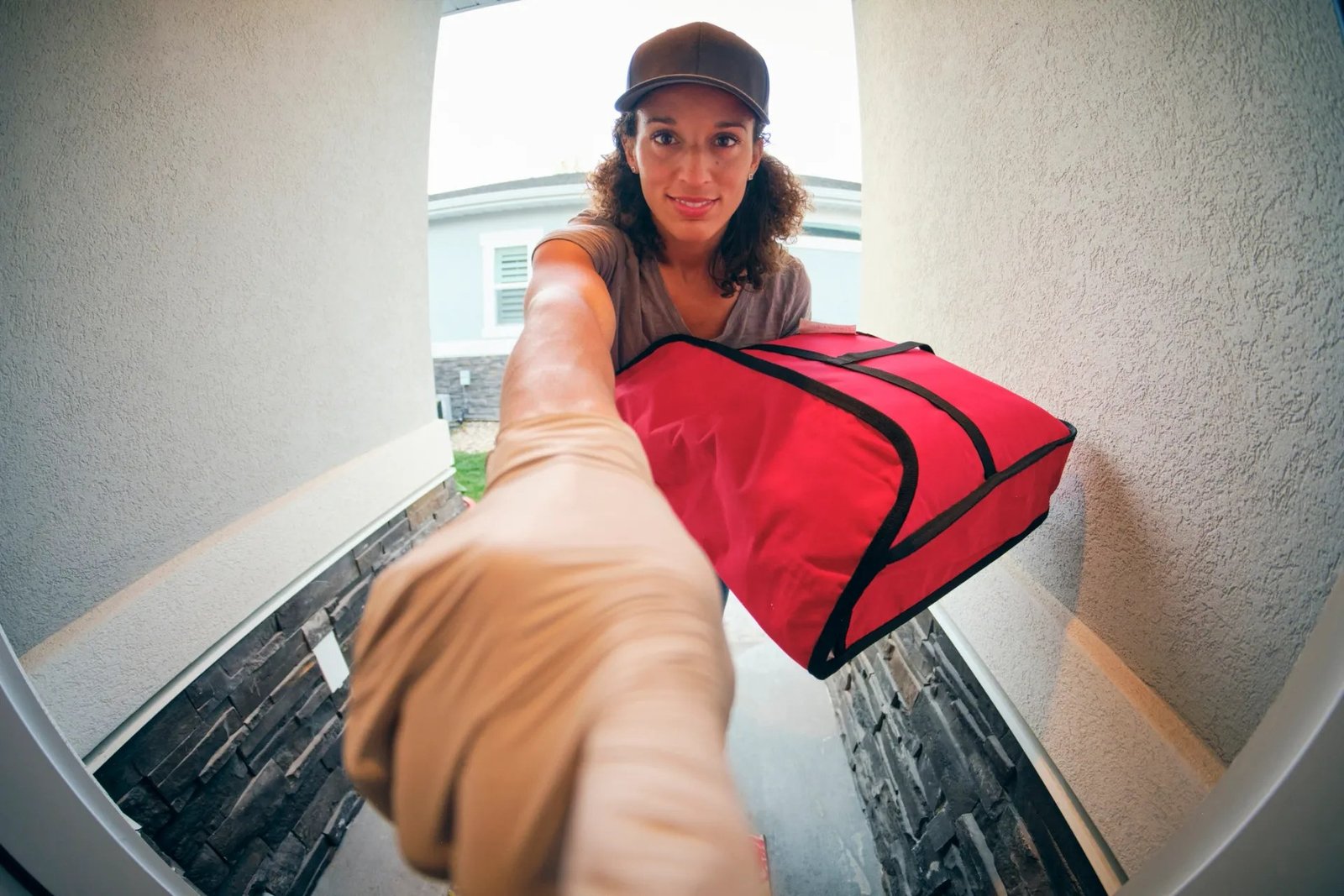
How Much Should I Tip for Food Delivery Orders?
It’s the awkward moment at checkout: the app suggests 15%, 20%, 25%, and you’re standing there wondering how much should I tip for food delivery orders. Tip too little and you feel guilty; tip too much on a $60 order and it stings. I’ve delivered food myself in college, and I’ve ordered more takeout than I care to admit, so I’ve seen this from both sides of the door. Here’s the honest breakdown — what drivers actually earn, what the apps don’t tell you, and a simple rule that ends the checkout-screen anxiety.
What Delivery Drivers Actually Make
Here’s the part most customers don’t know: for app-based delivery (DoorDash, Uber Eats, Grubhub), the driver is an independent contractor whose pay is mostly your tip plus a small base pay from the app — often just $2–4 per delivery. The app’s service fees go to the app, not the driver. Your tip isn’t a bonus on top of a wage; for many drivers, it is the wage. That context matters, because it reframes tipping from “reward for good service” to “paying the person who brought your dinner.”
How Much Should You Tip for Food Delivery Orders? The Simple Rule
Tip 20% of the food subtotal, with a $5 minimum. That’s it. That’s the rule. Here’s how it plays out:
- Small order ($15): 20% is $3, but the $5 minimum applies — the driver did the same work as for a big order.
- Typical order ($30–40): 20% = $6–8. Solid, fair, no guilt.
- Large order ($60+): 20% = $12+. The driver handled more food and often a longer trip.
- Bad weather, long distance, or complicated delivery: add $2–5. Driving in rain or snow for your pad thai deserves recognition.
Why a minimum instead of a pure percentage? Because the driver’s costs — gas, time, wear on their car — don’t scale down with your order size. A $12 sandwich order still takes them 20 minutes round-trip.
App Delivery vs. Pizza Shop vs. Restaurant Delivery
The 20%/$5 rule works across the board, but the mechanics differ. Traditional pizza shops and restaurants with their own drivers usually pay an hourly wage plus tips, so your tip supplements rather than constitutes their pay — 15–20% is standard. App drivers, as noted, depend on tips far more heavily. Either way, tipping in the app before delivery (rather than cash at the door) actually helps: drivers can see the total payout before accepting your order, so good tips get your food picked up faster. Undertipped orders sit unclaimed while your fries get cold.
When to Tip More (and the Rare Case for Less)
Tip more when: the weather is terrible, the driver climbed four flights of stairs, the order was huge or had special instructions they nailed, or it’s a holiday. These are the deliveries other customers won’t take, and your generosity directly determines whether someone accepts the job.
As for tipping less: if the food arrived genuinely cold, late through the driver’s fault (not the restaurant’s), or something was mishandled, it’s fair to reduce the tip — but consider that the app’s routing and the restaurant’s prep time are usually the real culprits. I almost never go below 15%, and I complain to the app rather than punishing the driver for things outside their control.
The Fees Aren’t the Tip (Read Your Receipt)
This trips people up constantly: the “service fee,” “delivery fee,” and “small order fee” on your receipt go to the app, not the driver. I’ve seen people assume a $5.99 delivery fee covers the tip. It doesn’t — the driver sees none of it. Always add your tip separately, and base the percentage on the food subtotal, not the fee-inflated total.
For broader context on tipping norms, the tipping article on Wikipedia covers US customs well, and the FTC’s consumer guidance explains delivery fee disclosures.
Tipping Beyond Delivery: The Full Picture
Delivery tipping sits inside a broader tipping culture that confuses plenty of people. Quick reference for the common scenarios: restaurants (dine-in): 18–22% on the pre-tax total, more for exceptional service. Bars: $1–2 per drink, or 20% of the tab. Coffee shops: the tip jar is optional — a dollar for a complicated custom order is generous, nothing for drip coffee is fine. Hair salons and barbers: 15–20%. Rideshares: 15–20%, more for help with luggage or difficult pickups.
The situations that trip people up: takeout pickup (10% is a nice gesture since no delivery labor is involved, though not obligatory), food trucks (10–15%), and grocery delivery (15–20%, more for heavy orders or stairs). When a tablet at a self-serve counter suggests 25%, remember it’s a prompt, not a requirement — tip for service received, not for guilt.
One more consideration: tip on the pre-discount total when using coupons or deals. The driver’s work didn’t shrink because you had a promo code. And if you’re hosting rather than ordering in, our guide to hosting a stress-free potluck and these cheap date ideas (many involve cooking together) can cut your delivery habit down to size.
How Much Should I Tip for Food Delivery Orders? Quick Answer
The simple rule: 20% of the food subtotal with a $5 minimum, more for bad weather, long distances, or stairs. On a $35 order that’s $7. On a $15 order, round up to $5 — the driver’s time and gas cost the same regardless of order size. Tip in the app before delivery so drivers can see the full payout and accept your order faster.
What About No-Tip Prompts?
You’ll increasingly encounter checkout screens with no tip option or a guilt-trippy 30% suggestion. Here’s how to handle them: if there’s genuinely no way to tip in the app, tip cash at the door — drivers remember cash tippers. If the suggested percentages start absurdly high, choose “custom” and enter your 20% without guilt; the presets are designed to nudge, not to reflect norms. And if a service adds a “driver benefit fee” or similar line item, check whether it actually goes to the driver — many such fees go to the company. When in doubt, a direct cash tip is the only guaranteed way your generosity reaches the person who earned it.
The Takeaway
Twenty percent, five-dollar minimum, more for bad weather or big orders. It’s simple, it’s fair, and it ends the checkout-screen spiral. The person bringing your dinner in the rain is doing real work — tip like it.