
Can You Bake Cookies Without Brown Sugar? Yes — Here’s How
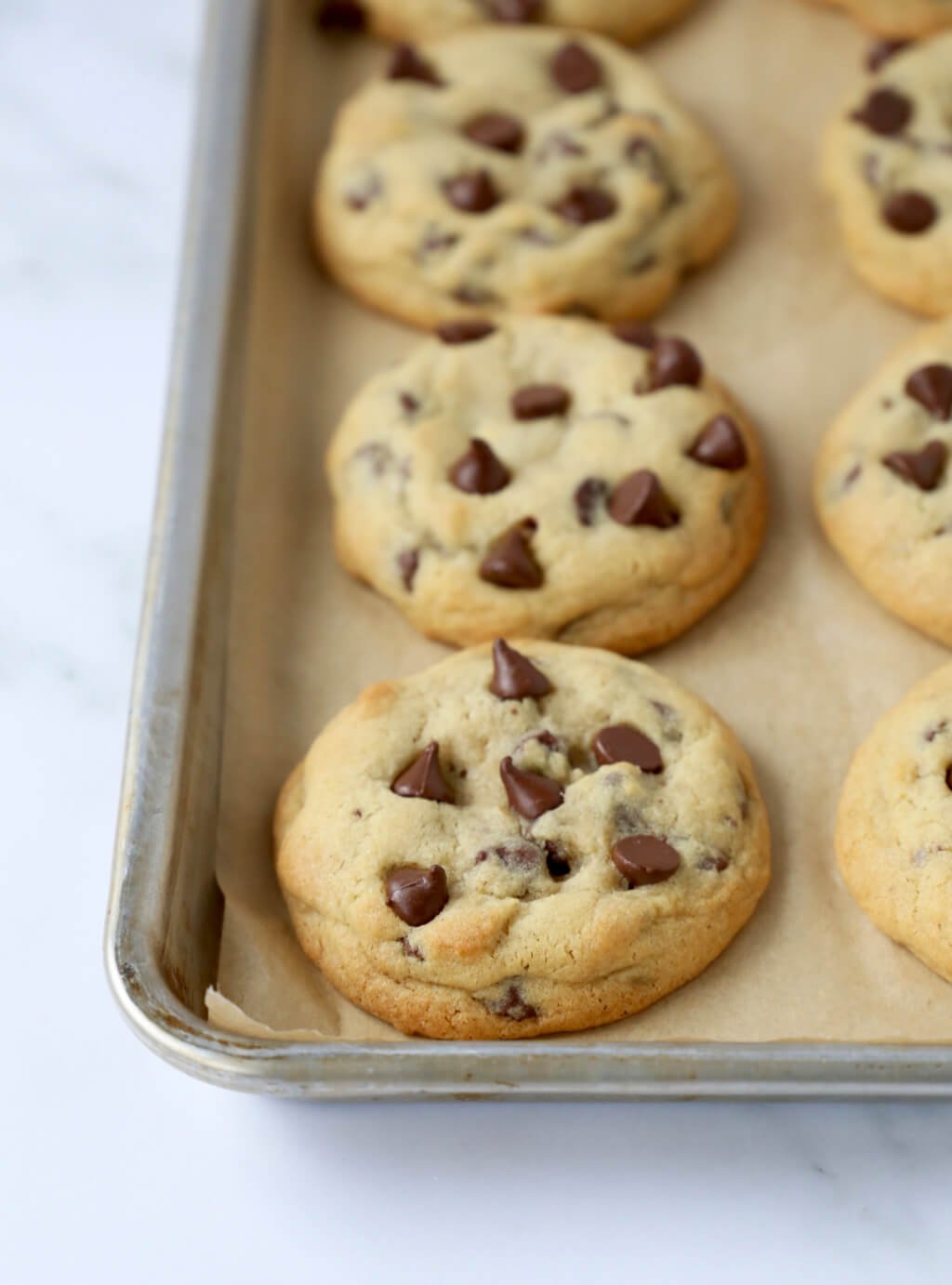
Can I Bake Cookies Without Brown Sugar?
You’re halfway through creaming the butter when you discover the brown sugar box is empty. Can I bake cookies without brown sugar? Absolutely — and honestly, once you know the substitutes, you might stop buying brown sugar altogether. Brown sugar is just white sugar with molasses added (about 3.5% for light, 6.5% for dark). That means you can recreate it exactly, or swap in alternatives that change the cookie in interesting ways. I’ve baked chocolate chip cookies with five different substitutes side by side, and here’s the full report.
What Brown Sugar Actually Does in Cookies
Before substituting, it helps to know what you’re replacing. Brown sugar does three things: the molasses adds a caramel, slightly toffee-like flavor; the extra moisture keeps cookies soft and chewy; and the acidity helps with leavening and browning. Any good substitute needs to cover at least the moisture and sweetness — the flavor nuances vary, and that’s where things get fun.
Can I Bake Cookies Without Brown Sugar? 5 Substitutes, Ranked
1. White sugar + molasses (the exact replica)
Mix 1 cup of white granulated sugar with 1 tablespoon of molasses for light brown sugar, or 2 tablespoons for dark. Stir or pulse in a food processor until evenly colored. This isn’t a substitute — it is brown sugar, because that’s literally how brown sugar is made. If you have molasses in the pantry, stop reading and do this. Your cookies will be identical to the original recipe.
2. All white sugar (simplest, slightly different cookie)
Use white sugar 1:1. Your cookies will be a bit crisper, paler, and less chewy, with a cleaner sweet flavor instead of caramel notes. Add an extra egg yolk to restore some chewiness. This is the “I have nothing else” option and it still makes a perfectly good cookie — just a different one. Great for sugar cookies, fine for chocolate chip.
3. Coconut sugar (the interesting one)
Swap 1:1. Coconut sugar has a natural caramel flavor remarkably similar to brown sugar, with a slightly lower glycemic index. The cookies come out a touch darker and wonderfully chewy. This is my favorite “I meant to do that” substitute — nobody guesses.
4. Honey or maple syrup (the moist one)
Use ¾ cup honey or maple syrup per cup of brown sugar, and reduce another liquid in the recipe by 2–3 tablespoons (or add 2 extra tablespoons of flour). These liquid sweeteners make exceptionally moist, chewy cookies with distinct flavor — maple-chocolate chip cookies are genuinely special. They also brown faster, so check a few minutes early. Note: honey is sweeter than sugar, so the ¾ ratio keeps things balanced. For more on swapping sweeteners, see our guide to substituting honey for sugar in baking.
5. Turbinado or demerara sugar (the crunchy one)
These raw sugars have large crystals and a mild molasses flavor. Pulse them briefly in a food processor to reduce crystal size, then swap 1:1. Cookies come out with slightly crispier edges and a subtle crunch — excellent in oatmeal cookies.
Adjustments That Matter
Whatever you substitute, keep two things in mind. First, don’t pack the substitute the way you pack brown sugar — measure white or coconut sugar loose, or you’ll add too much. Second, watch your bake time: liquid sweeteners brown faster, and all-white-sugar cookies can go from pale to overdone quickly at the edges. Start checking two minutes before the recipe says.
Can You Make Brown Sugar From Scratch Permanently?
Honestly? Yes. I now keep a jar of molasses and make brown sugar as needed — it never hardens into a brick in the pantry because I only make what I’ll use. One cup of white sugar plus a tablespoon of molasses, mixed well, costs a fraction of store-bought and tastes fresher. The hardened brown sugar brick is a problem you can permanently retire.
The brown sugar article on Wikipedia explains the refining process, and King Arthur Baking has reliable substitution charts for all kinds of baking swaps.
Cookie Science: Why Your Cookies Spread (or Don’t)
Understanding a few variables turns you from recipe-follower into cookie-improviser. Butter temperature is the biggest lever: melted butter produces dense, chewy cookies that spread wide; softened room-temp butter creamed with sugar produces cakier, puffier cookies; cold butter cubed into dough produces thick cookies with minimal spread. Choose based on the texture you want, not just what the recipe says.
Chilling the dough for 30 minutes (or overnight) does three wonderful things: it solidifies the fat so cookies spread less, hydrates the flour for deeper flavor, and lets the sugars develop subtle caramel notes. Overnight-rested chocolate chip dough tastes noticeably more complex — it’s the single easiest upgrade in cookie baking. Flour measurement matters too: scooping with the cup packs in up to 30% extra flour. Spoon flour into the cup and level it, or better, weigh it.
And here’s a trick for bakery-style results: bang the pan on the counter midway through baking for crinkly, rippled edges, and press a few extra chocolate chips onto the tops right after baking for that photo-worthy look. Small moves, big payoff. For more weekend baking, our fluffy pancake guide applies the same fearless-substitution philosophy to breakfast.
The Brown Butter Upgrade
While you’re experimenting with sugar substitutes, try this technique upgrade that works with any of them: brown the butter. Melt it in a light-colored pan over medium heat, swirling, until it foams, then turns golden with nutty-smelling brown specks — about 5 minutes. Cool it slightly before using. Brown butter adds toffee-like depth that makes any cookie taste like it came from a fancy bakery, and it pairs especially well with the coconut sugar and honey substitutes above. It’s one extra step, five extra minutes, and the single biggest flavor upgrade in cookie baking. Your substitute cookies won’t just survive the swap — they’ll outshine the original.
The Takeaway
White sugar plus molasses gives you actual brown sugar in two minutes. Without molasses, coconut sugar is the best 1:1 swap, and plain white sugar works fine with an extra yolk for chew. The cookies will be delicious either way — the only real mistake is abandoning the batch.