
Is It Worth Buying Organic Produce or Is Conventional Fine?
The organic apple costs twice as much as the conventional one. Is it twice as healthy? Half as pesticide-laden? Worth it at all? When people ask is it worth buying organic produce or is conventional fine, they want a straight answer, not a lecture. Here’s the evidence-based middle ground: for most produce, conventional is fine — but there are specific cases where organic is worth the premium, and specific cases where it’s pure marketing.
What “Organic” Actually Means
USDA Organic certification means produce was grown without synthetic pesticides and fertilizers, without GMOs, and without sewage sludge — under audited standards. It does not mean pesticide-free (organic-approved pesticides exist), more nutritious by default, or safer in every measurable way. Understanding what the label actually certifies prevents both blind faith and blind dismissal. The USDA’s organic standards spell out exactly what’s covered.
What the Science Says
- Nutrition: large reviews (including Stanford’s well-known meta-analysis) find minimal nutritional differences between organic and conventional produce. You’re not buying extra vitamins with the premium.
- Pesticide residues: organic produce has lower detectable pesticide residues — but conventional produce residues are overwhelmingly below EPA safety thresholds. “Lower” doesn’t automatically mean “meaningfully safer” when both are within safe limits.
- The real health finding: the biggest nutritional factor isn’t organic vs. conventional — it’s eating enough produce at all. Someone eating abundant conventional vegetables is far healthier than someone eating few organic ones. Don’t let the organic question stop you from buying vegetables, period.
Is It Worth Buying Organic Produce Or Is Conventional Fine?
The Environmental Working Group’s annual Dirty Dozen list identifies produce with the highest pesticide residues — thin-skinned items where you eat the skin:
- Strawberries, spinach, kale/collards/mustard greens, grapes, peaches, pears, nectarines, apples, bell/hot peppers, cherries, blueberries, green beans
For these, organic meaningfully reduces your pesticide exposure if the price premium fits your budget. This is the most defensible organic spend.
When Conventional Is Fine: The Clean Fifteen
The Clean Fifteen — produce with the lowest residues, mostly thick-skinned or peeled items — where organic adds little:
- Avocados, sweet corn, pineapples, onions, papayas, sweet peas, asparagus, honeydew, kiwis, cabbage, mushrooms, mangoes, sweet potatoes, watermelon, carrots
Buying organic avocados or sweet corn is paying double for essentially zero difference. Save the money.
The EWG’s Shopper’s Guide updates both lists yearly — worth bookmarking, with the caveat that EWG has critics who argue it overstates risks. Use it as a prioritization tool, not a fear guide.
The Budget Strategy That Makes Sense
- Buy organic for the Dirty Dozen when the premium is reasonable (under ~50% more).
- Buy conventional for the Clean Fifteen — always.
- Wash everything regardless. Washing removes surface residues and, more importantly, bacteria — the actual food safety risk. A vinegar-water soak or just thorough rinsing under running water.
- Buy local and in-season when possible — often fresher than shipped organic, frequently cheaper, and supports local growers.
- Frozen organic is often cheaper than fresh organic with equal nutrition — a smart compromise.
Beyond Pesticides: The Other Arguments
- Environment: organic farming generally means healthier soil, less synthetic runoff, and better biodiversity — a legitimate reason to buy organic beyond personal health.
- Farmworker exposure: reduced synthetic pesticide use means less occupational exposure for workers — another ethical consideration.
- Taste: blind tests show minimal consistent difference; freshness and variety matter far more than the organic label for flavor.
The Dirty Dozen in Detail (2026 Priorities)
Not all Dirty Dozen items are equal — prioritize by how you eat them: highest priority (eaten raw, thin-skinned, high residues): strawberries, spinach, kale and collard greens. If you buy three things organic, make it these. High priority: grapes, peaches, pears, nectarines, apples — all eaten with skin, all consistently high-residue. Moderate: bell peppers, hot peppers, cherries, blueberries, green beans — worth buying organic when the premium is small. Strategy note: frozen organic versions of these (especially berries and spinach) are often cheaper than fresh conventional — check the freezer aisle before the produce section. And remember the list changes yearly as farming practices shift; check the current EWG guide rather than relying on memory.
Farmers Markets: How to Shop Them Smart
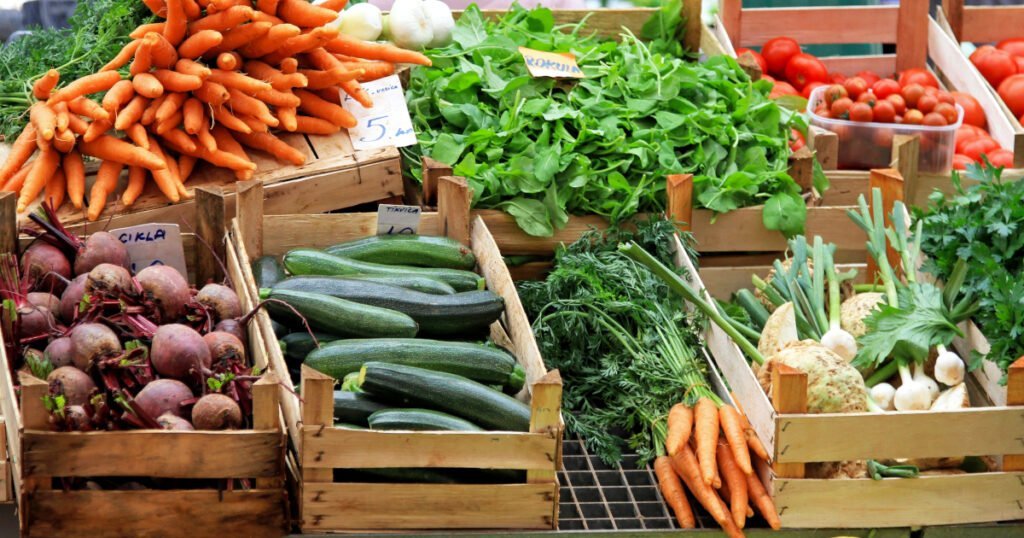
Farmers markets aren’t automatically organic — but they’re often better. Ask questions: “Do you spray?” and “Where is your farm?” Small growers often use minimal pesticides without paying for organic certification (which costs thousands yearly — prohibitive for small farms). Look for “no-spray,” “low-spray,” or “IPM” (integrated pest management) signs — these indicate thoughtful practices without the certification price tag. Shop the last hour for deals (vendors discount rather than haul back), buy ugly produce (cosmetic seconds are often half price and identical inside), and build relationships — regulars get the best picks, growing advice, and occasional freebies. A trusted local farmer’s conventional tomatoes often beat shipped organic ones on every measure that matters: freshness, flavor, and price.
The Pesticide Question in Perspective
Let’s put produce pesticides in context, because fear sells but perspective helps. The dose makes the poison: conventional produce residues are typically measured in parts per billion, far below EPA safety thresholds that themselves include 100x+ safety margins. You’d need to eat hundreds of servings daily to approach concerning levels. Meanwhile, the documented health risks of not eating enough produce (heart disease, certain cancers, diabetes) are large, proven, and affect millions. The comparative risk isn’t close: skipping vegetables over pesticide fears is like avoiding seatbelts because the fabric might irritate your skin. Wash your produce, eat a lot of it, buy organic selectively where it counts — and don’t let perfectionism keep vegetables off your plate.
Storage matters as much as sourcing — our guide to keeping bananas fresh longer applies the same ethylene logic to the rest of your fruit bowl.
The Takeaway
Is it worth buying organic produce or is conventional fine? Conventional is fine for most produce — especially the Clean Fifteen — and eating plenty of vegetables matters far more than the label. Buy organic selectively for the Dirty Dozen when the budget allows, wash everything, and buy local/in-season for the best value.
Don’t let perfect be the enemy of the produce aisle. The healthiest choice is the vegetables you’ll actually eat, not the ones with the right sticker. Cooking those vegetables? Our 30-minute healthy dinners put them to good use.