
How Do I Store Fresh Herbs So They Do Not Wilt in a Day?
You buy a beautiful bunch of basil, use six leaves, and by Thursday the rest is a black slime at the bottom of the crisper. We’ve all funded the Great Herb Compost Pipeline. If you’re asking how do I store fresh herbs so they do not wilt in a day, the key insight is that different herbs want completely different treatment — and the plastic produce bag they came in is wrong for almost all of them.
The Two Families: Treat Them Differently
Herbs split into two storage families, and mixing up the methods is why most herbs die fast:
- Tender herbs (basil, cilantro, parsley, mint, dill, tarragon): high water content, wilt fast. Store like flowers — stems in water.
- Hardy herbs (rosemary, thyme, oregano, sage, marjoram): woody stems, low moisture. Store wrapped and refrigerated — they hate excess water.
Get this distinction right and you’re 80% of the way there.
How Do I Store Fresh Herbs So They Do Not Wilt In A Day?
- Trim the stems — cut 1/2″ off the bottoms at an angle, like flowers. This opens the stems for water uptake.
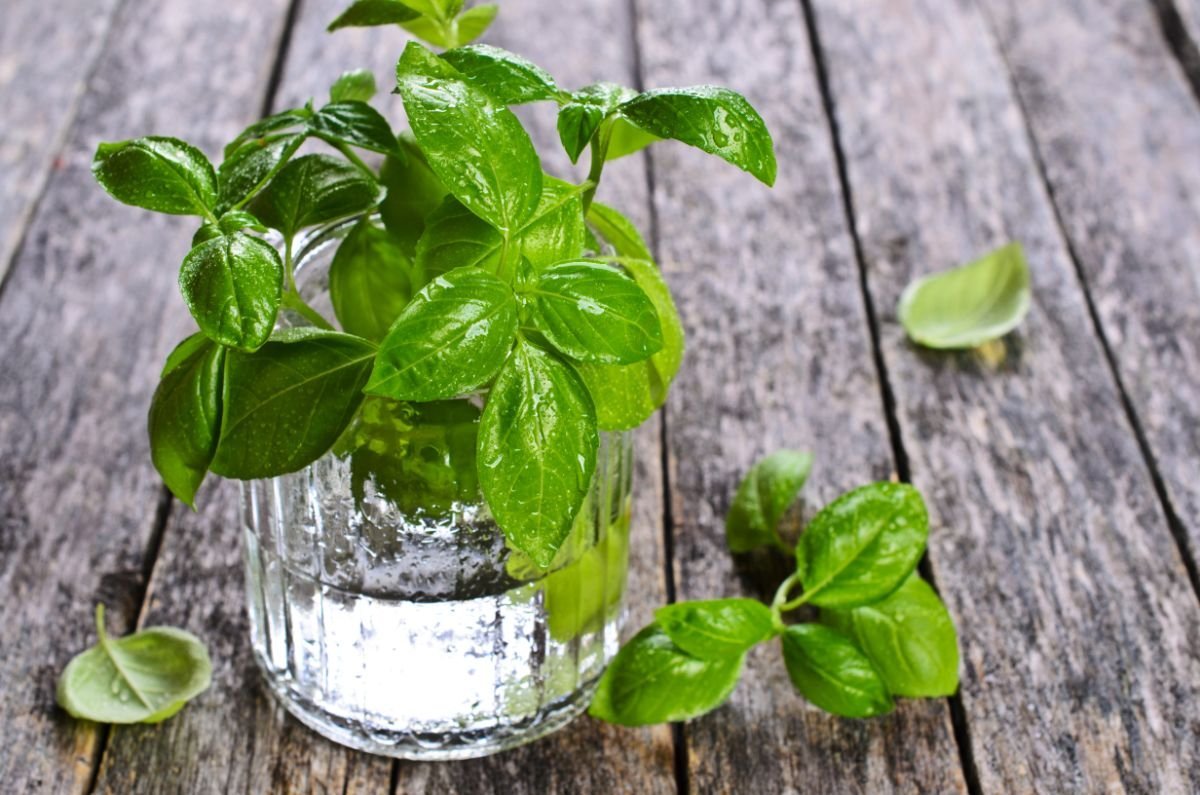
- Place in a jar with 1–2″ of water, stems submerged, leaves above water.
- Cover loosely with a plastic bag (a produce bag works) — creates a humid microclimate. Exception: basil hates the cold. Keep basil’s jar on the counter, not the fridge — refrigeration blackens basil leaves.
- Change the water every 2–3 days and re-trim stems.
Stored this way, cilantro and parsley last 2–3 weeks; basil lasts 7–10 days on the counter. Compare that to 2 days in the original plastic bag. Our 30-minute dinner guide gives you plenty of reasons to keep fresh herbs on hand.
Hardy Herbs: The Damp Towel Method
- Don’t wash yet — wash right before use. Surface moisture accelerates decay.
- Wrap loosely in a slightly damp paper towel — damp, not wet.
- Place in a partially open plastic bag or container in the fridge. Some airflow prevents sliminess.
- Check every few days; replace the towel if it’s soggy.
Rosemary, thyme, and oregano stored this way last 2–3 weeks easily. They’re the low-maintenance herbs — buy them confidently.
The Freezer: For Herbs You Won’t Use in Time
When you know you can’t use them fresh, freeze instead of composting:
- Hardy herbs: freeze whole sprigs on a tray, then bag. They’ll be limp when thawed but perfect for cooking.
- Tender herbs: chop and freeze in ice cube trays with olive oil or water. Pop a cube directly into soups, sauces, and sautés — the flavor is remarkably preserved.
- Herb butters and pestos: blend with butter or oil, freeze in portions. Future you will be delighted.
- Drying works for hardy herbs (hang bundles upside down in a dry spot) but ruins tender ones’ flavor — don’t bother drying basil.
What Kills Herbs Fastest
- Leaving them in the sealed produce bag — traps ethylene and moisture, accelerates rot
- Washing before storing — surface water = decay. Wash before use only.
- Refrigerating basil — cold damage turns it black. Counter only.
- Storing near ethylene producers (bananas, apples, tomatoes) — speeds wilting. Our banana storage guide covers the ethylene science.
- Buying more than you’ll use. Be honest about your cooking plans — or plan to freeze the surplus immediately.
Growing Your Own: The Ultimate Fix
The real answer to storing fresh herbs so they don’t wilt: don’t store them — grow them. A $4 basil plant on a sunny windowsill outperforms every storage method, providing fresh leaves for months. Parsley, mint, chives, and thyme are nearly indestructible indoors with decent light. Mint is so vigorous it needs its own pot (it will conquer shared containers). For the price of two bunches of store herbs, you get a season of harvest.
Herb-by-Herb Quick Reference
- Basil: counter in water jar, 7–10 days. Never refrigerate. Freezes well in oil cubes; dries poorly.
- Cilantro: fridge in water jar, loosely covered, 2–3 weeks. The longest-lasting tender herb with this method.
- Parsley (flat-leaf): same as cilantro, 2–3 weeks. Curly parsley lasts even longer.
- Mint: water jar in fridge, 2+ weeks. Practically indestructible — also the easiest to grow.
- Dill: water jar in fridge, 10–14 days. Wilts faster than parsley; use promptly.
- Rosemary: damp towel in fridge, 3+ weeks. Also dries excellently — the most forgiving herb.
- Thyme: damp towel in fridge, 2–3 weeks. Dries well too.
- Sage: damp towel in fridge, 2 weeks. Freeze leftover in butter for cooking.
- Chives: water jar in fridge, 1–2 weeks. Snip don’t pull for regrowth if potted.
- Tarragon: water jar in fridge, 10–14 days. Delicate — use quickly.
Drying Herbs the Right Way
For hardy herbs (rosemary, thyme, oregano, sage, marjoram), drying concentrates flavor beautifully: bundle 5–10 stems, tie with string, hang upside down in a warm, dry, dark spot with airflow (not the kitchen — cooking humidity slows drying). They’re ready when leaves crumble easily (1–2 weeks). Strip leaves, store in airtight jars away from light, and use within a year. Don’t bother drying basil, cilantro, parsley, or chives — they lose most flavor dried; freeze those instead. Oven drying (lowest setting, door cracked, 2–4 hours) works faster but risks cooking off volatile oils — air drying preserves more flavor. Properly dried herbs are 3x more potent than fresh by volume — adjust recipes accordingly (1 tsp dried ≈ 1 tbsp fresh).
Herb Oils and Butters: Flavor Insurance
When herbs are abundant (or about to turn), preserve them as compound butters and infused oils: chop tender herbs, mix into softened butter with a pinch of salt and lemon zest, roll into a log in parchment, and refrigerate (2 weeks) or freeze (6 months). Slice onto steak, fish, vegetables, or warm bread — instant elevation. For oils: gently warm olive oil with hardy herbs (rosemary, thyme), cool, and bottle — beautiful infused oil for cooking and gifting. Safety note: fresh herbs in oil at room temperature can harbor botulism risk — refrigerate herb oils and use within a week, or freeze. These preserves turn “use it or lose it” anxiety into a pantry of flavor upgrades.
For the science of long-term herb preservation, SDSU Extension’s guide to preserving herbs covers freezing and drying methods in depth.
The Takeaway
How do you store fresh herbs so they do not wilt in a day? Tender herbs (basil, cilantro, parsley) go in a water jar like flowers — basil on the counter, others loosely covered in the fridge. Hardy herbs (rosemary, thyme) get wrapped in a damp towel in the fridge. Freeze the surplus in oil cubes, and consider a windowsill plant to skip storage entirely.
Two methods, a jar, and a paper towel — that’s the whole system. Your herbs will outlast your meal plans for once.